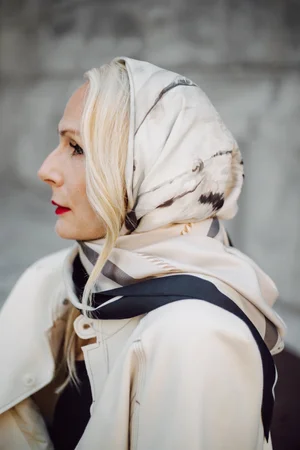
A hundred years ago, a dress was made to last decades. Today, the average garment is worn seven times.
Three fabrics, three stories
Numbers tell you the size of the problem. Fabrics tell you how it happened. Let us look at three of them.
Cotton: the fibre that got shorter
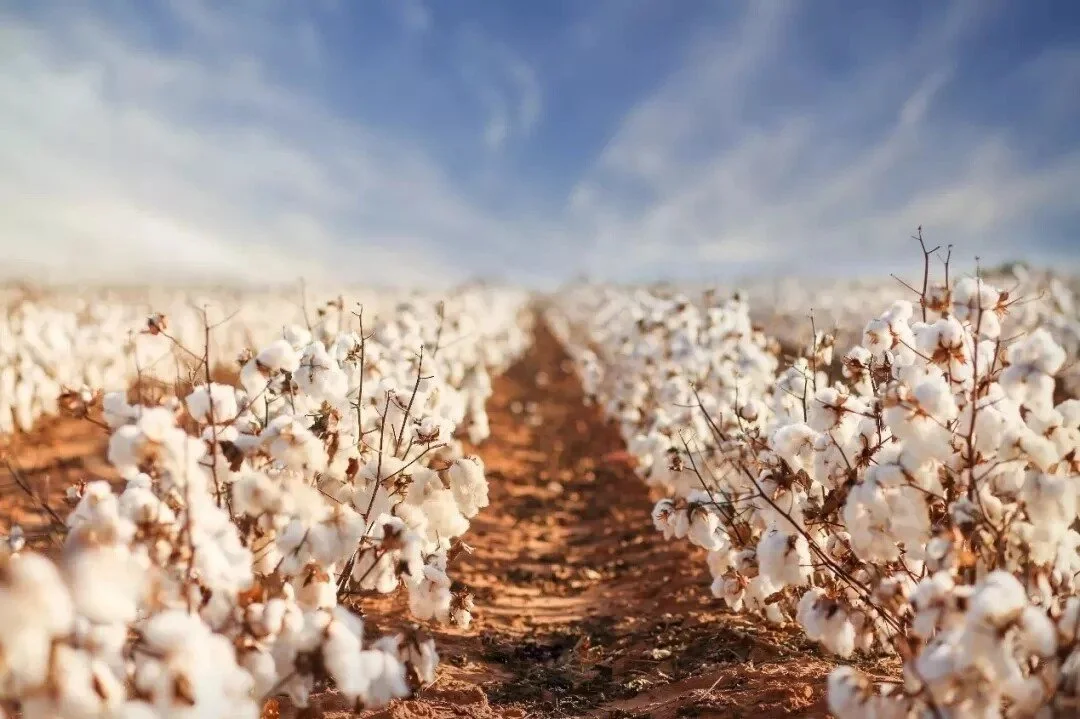
Cotton is a plant fibre, and its quality lives in the length of its fibres. Long fibres, like Egyptian or Pima cotton, spin into smooth, strong yarn. The fabric feels soft, it does not pill, and it lasts for years.
But long fibre cotton costs more. So much of the cotton in cheap clothes today is short fibre cotton. It is weaker from the start. The yarn is rougher, it pills quickly, and it breaks sooner. The shirt is tired after one season, and it was born tired.
Then comes the chemistry. To make that cheaper cotton look and feel good in the shop, it is bleached hard, coated with softeners, and often treated so it does not wrinkle. That wrinkle free finish is real chemistry: resins that lock the fibres in place. The trade is documented in textile science. The finish can cut the fabric’s strength by 20 to 50 percent. The collar and the cuffs wear through first, because the treatment that keeps the shirt smooth also makes the fibre brittle.
So yes, your cotton T-shirt really is not the cotton your grandmother wore. The plant is the same. Everything we do to it afterwards has changed.
Wool: the sweater that is mostly plastic
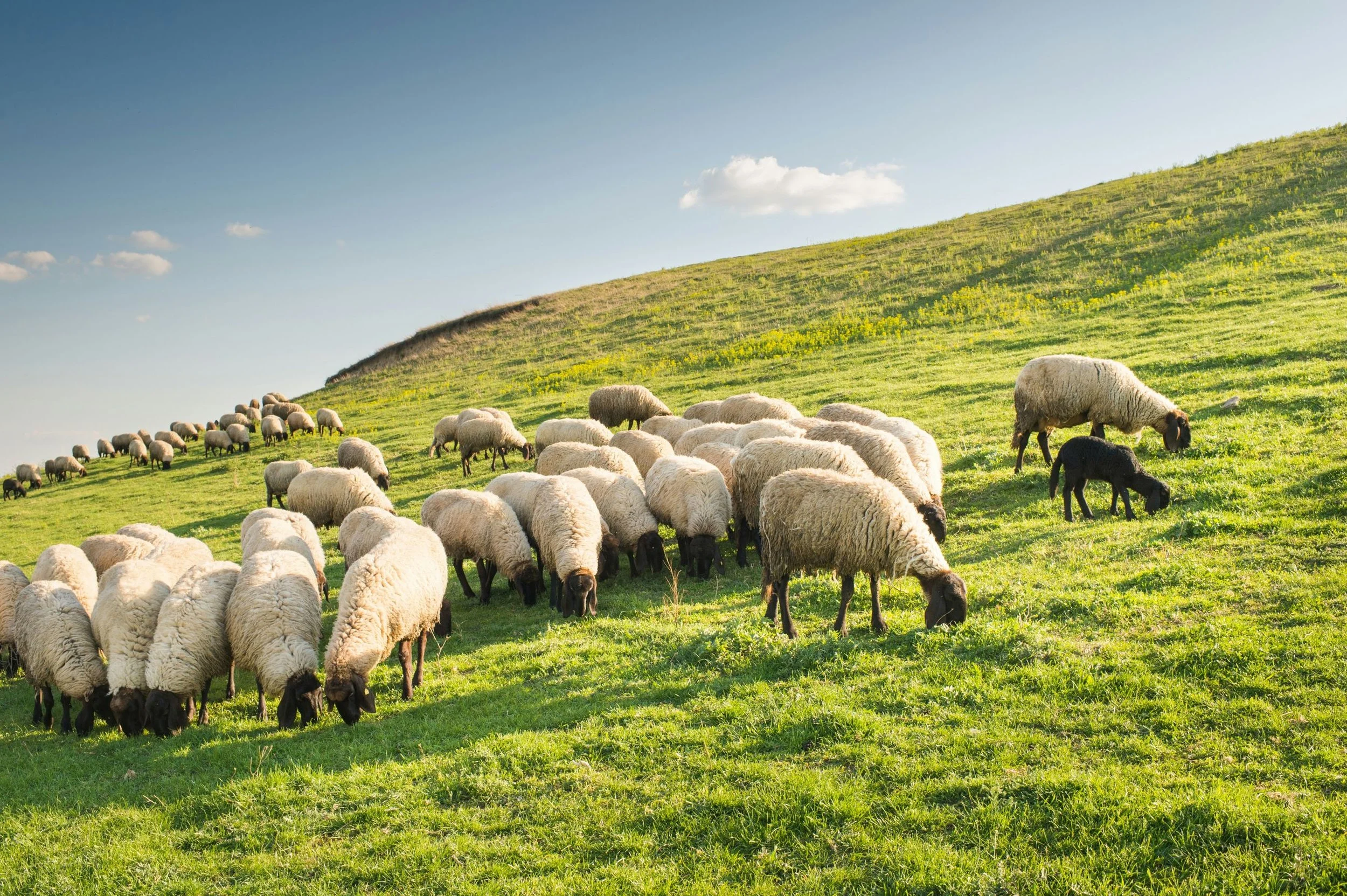
Real wool is a small miracle. It warms you when it is wet, it breathes, it does not hold smell, and a good wool sweater can last for decades. My grandmother’s generation knew this without needing a label to say it.
Today, much of what is sold as a wool sweater is a wool blend. That phrase sounds gentle. Often it means mostly acrylic, which is plastic made from oil, with a little wool mixed in. It pills within weeks, it does not breathe, and it holds smell.
Even pure wool is often changed before it reaches you. Most machine washable wool is superwash wool. The fibre is washed in chlorine to strip away its tiny scales, then coated in a thin layer of plastic resin so it cannot felt. It can still legally be called 100% wool, because a finish is not counted as a fibre. But some of what made wool special, its breathability and its natural surface, is gone. And every wash sheds a little of that plastic coating into the water.
Wool did not get worse on its own. We made it cheaper and easier, and something real was lost in the exchange.
Silk: the dress that rotted in thirty years
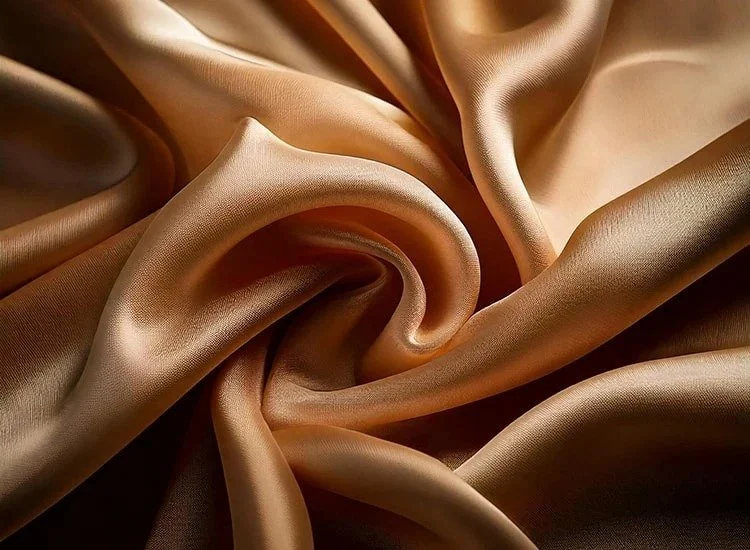
Silk has its own warning from history, and it is worth hearing.
In the 19th century, silk was sold by weight. When raw silk is washed, it loses about a fifth of its weight. So merchants began to soak it in baths of metallic salts, mostly tin, to put the weight back and add more. A fabric could end up weighing several times more than the silk in it. It felt rich and heavy in the hand. It also rotted.
The salts slowly ate the fibres. Dresses made from this weighted silk became brittle and shattered along the lines of wear. Museum collections are full of them. The most famous example is the wedding dress of the future Queen Elizabeth II, made in 1947 from tin weighted silk. It began to rot just thirty years later.
Real silk, left alone, is one of the strongest natural fibres in the world. A silk scarf, well made and well kept, can be worn for a lifetime and passed on. But silk that is loaded with chemicals, or mixed with polyester and sold as silk, will not do that. The fibre is not the problem. What we do to it is.
Plastic: the miracle that stayed too long
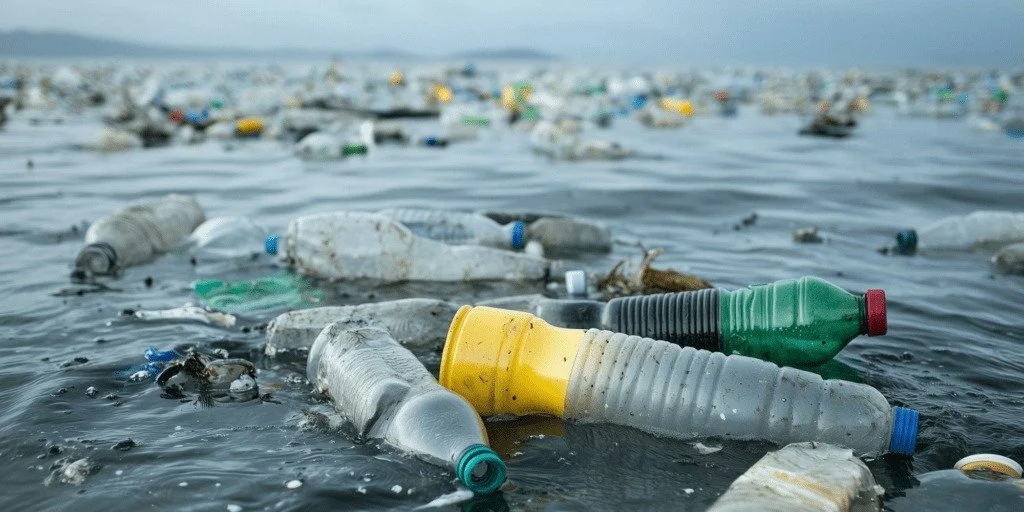
Now the part of the story that belongs on its own. Because none of this would have been possible without one invention: plastic.
Nylon was invented in 1935. Polyester followed in 1941. They were miracles. Stronger than cotton, cheaper than silk, wrinkle free, quick to dry, and they could be made in any colour. After the war, they promised a future where everyone could afford beautiful clothes.
That promise came true. Today polyester is in about 60% of our clothes. It is the most used fibre on Earth.
But plastic has one quality nobody put on the label: it does not go away. A polyester shirt can take around 200 years to break down, and even then it does not disappear. It only breaks into smaller and smaller pieces of plastic.
Every time you wash a synthetic garment, it sheds tiny plastic fibres. One load of washing can release up to 700,000 of them. Most are too small to see. Many pass straight through water treatment plants and into rivers and the sea. About 500,000 tonnes of these microfibres reach the ocean every year. That is the plastic of about 50 billion bottles. Textiles are now responsible for 20 to 35% of all the microplastics in the ocean, the largest single source.
Fish eat these fibres. They travel up the food chain. They come back to us, on our plates, in our water, even in the air.
A miracle fibre, made to last forever, turned into clothes made to last a week. That is the strangest part of this story. We took a material that never dies and used it to make things we throw away.
The thread
Look at the whole hundred years at once, and the pattern is simple.
Each step made clothes cheaper, easier and faster. Each step also made them a little worse: weaker fibres, more chemistry, more plastic, shorter lives. Nobody chose this all at once. We chose convenience, again and again, and the bill arrived slowly, in landfills and in oceans.
Fashion did not change in a direction that is good for us or for the planet. It changed in the direction of cheap and fast. And cheap and fast has a price. We are paying it now, in a world where a truckload of clothes is burned or buried every second.
The damage is real, and some of it cannot be undone. The plastic already in the ocean will not disappear in our lifetime. The clothes already in landfill will sit there for generations. That is the hard truth, and there is no point hiding it.
But here is the other truth, and it matters just as much. Every day, we choose whether to add to the pile or not. And every choice not to add to it gives the planet a little room to breathe, to heal, to slowly come back to life.
What we can do, day by day
You do not need to change your whole life to help. Small, ordinary choices are enough, because they are the ones you will actually keep.
Buy less, and buy better. Before you buy something new, ask one quiet question: will I still want to wear this in five years? If the answer is no, leave it in the shop. The most sustainable piece of clothing is the one you keep.
Choose natural fibres when you can. Cotton, wool, linen, silk. Read the label. A blend that is mostly plastic will not age like a natural fibre, no matter what the tag promises.
Wash less, wash cold, and skip the dryer when you can. Most clothes do not need washing after one wear. Cold water and fresh air are kinder to fibres, and they save energy too.
Mend the small tear. Sew the button back on. A ten minute repair can give a garment years of extra life. It is a small act, and it is also a quiet protest against a world that says everything is disposable.
And when a piece truly reaches the end of its life, let it go well. Give it a second life, donate it, recycle it, as in my previous article about where old clothes can go in Canada. Nothing good should go in the bin.
That is why I make timeless pieces, from natural fabric, that are meant to be worn for decades and passed on, not worn for a season and thrown away. Not because one brand can fix this. Because the way out of this story is the same as the way in, one good piece at a time.
Start today, with love

Please do not wait for the perfect moment to care about this. The perfect moment is the next thing you buy, the next thing you wash, the next thing you mend instead of replacing.
The catastrophe is already here, and its scale is bigger than any one of us. But we are not powerless. Every day we choose not to make it worse, the planet gets a little space to heal. A little less plastic in the water. A little less waste in the ground. A little more time for nature to do what it does best, which is to come back to life, slowly, if we let it.
One good piece instead of five cheap ones. One repaired seam. One bag by the door.
That is enough to start. Start today, with love.
If this is what a hundred years did to our clothes, what will the next ten do? In ten years, will a dress be worn once, or not at all? In twenty, what will be left in the sea that is not plastic? In thirty, what will our children wear, and what world will they wear it in? We are still here, and we can still choose. The question is what we will choose while we still can.
With love, Kristina Wushke.
Where the numbers come from: Ellen MacArthur Foundation, A New Textiles Economy (2017); UN Environment Programme; IUCN (2017); Napper and Thompson, Marine Pollution Bulletin (2016).