Christmas is coming. And millions of party dresses will be worn once.
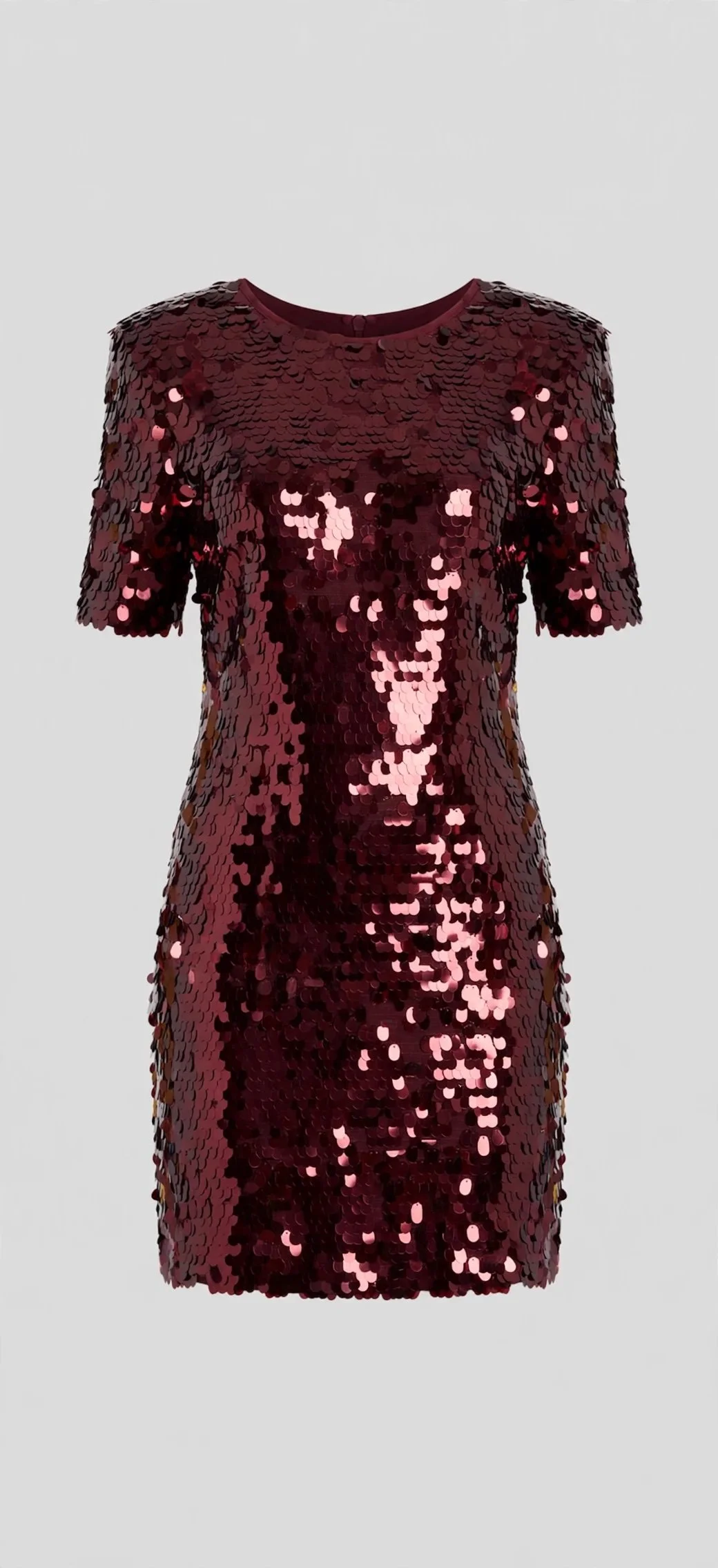
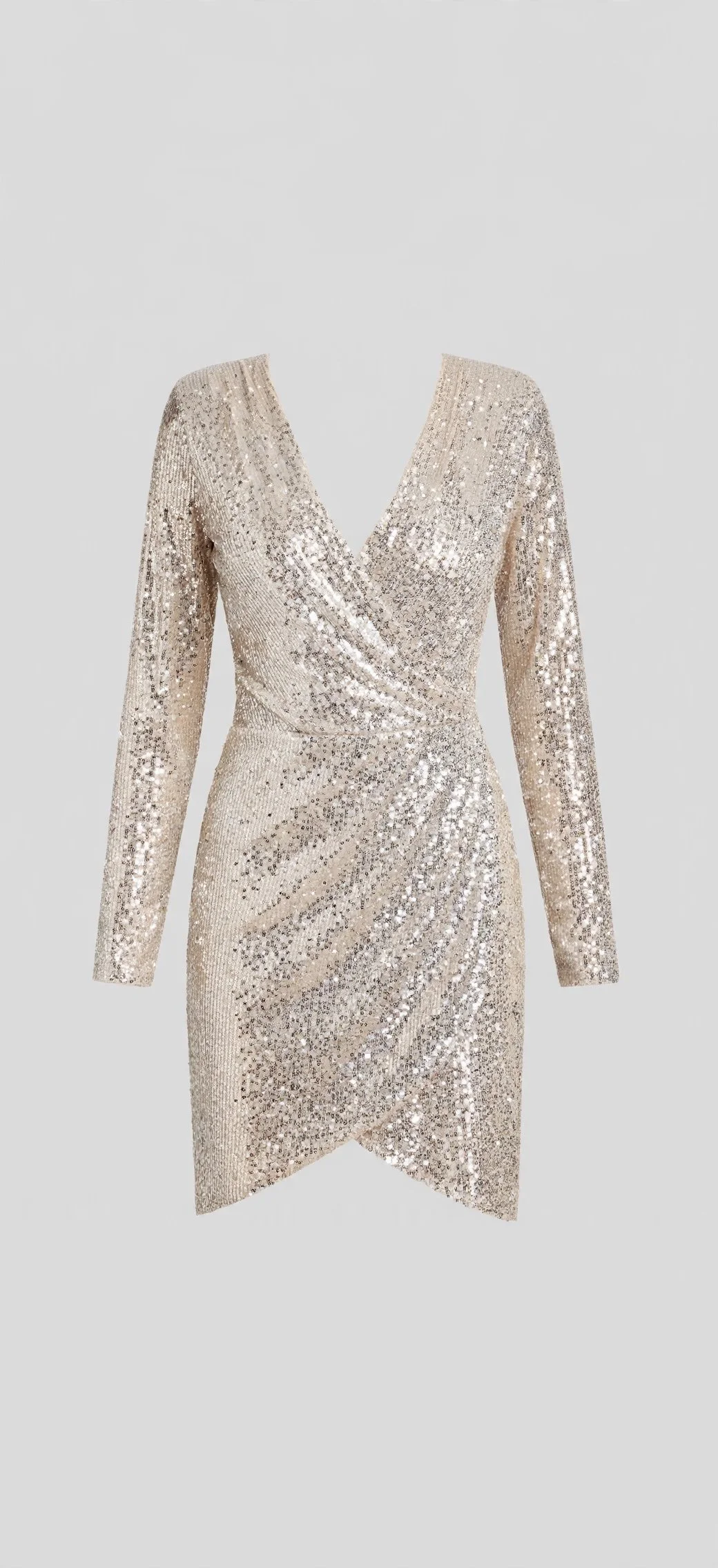
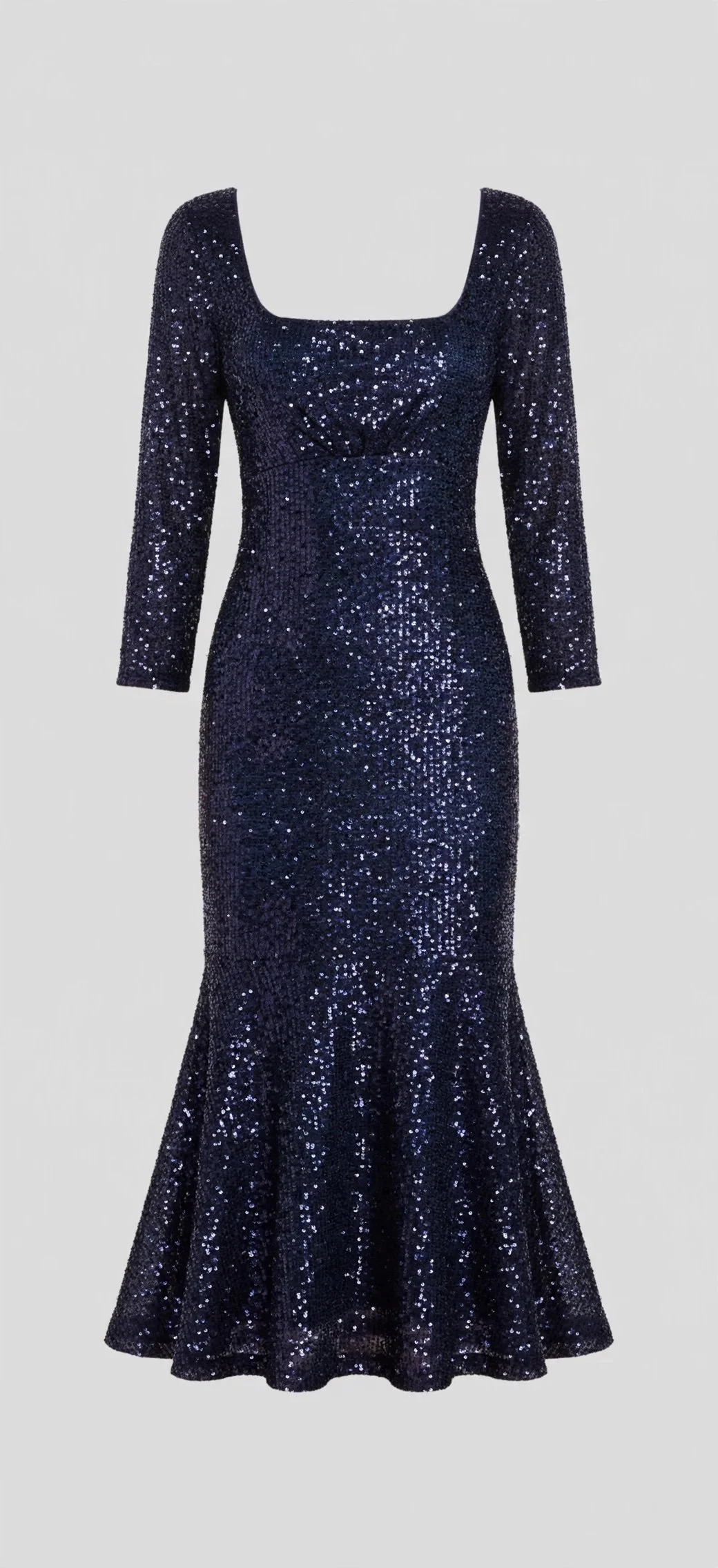
This sequin dress. It looks like a dream. But it is plastic. And you will wear it once.
The party season is the brightest time of the year. The lights, the music, the dress that catches every sparkle in the room. Of course you want to shine. The question is only what that shine is made of, and where it goes when the night is over.
What a sequin dress really is
Sequins look like tiny jewels. They are not. Most sequins are plastic: PET, the same plastic as bottles, or PVC, or metallised polyester film. They do not biodegrade. They shed microplastics when you wear them and when you wash them. And they cannot be recycled. A French study from Refashion, published in February 2025, calls sequins and rhinestones the main disruptor of clothing recycling: they damage the sorting and recycling machines, and they cannot be processed together with the fabric. So this dress is not really a dress. It is a piece of plastic that will sit in a landfill for hundreds of years.
And the fabric under the sequins is usually plastic too. Most party dresses are polyester, acrylic or nylon. Polyester is in about 60 percent of our clothes, and a polyester shirt takes around 200 years to break down. The sparkle you wear for one night is made to last for centuries, just not on you.

The numbers
Here is what one Christmas season looks like, in Britain, where these numbers were counted. In 2019, people in Britain bought 33 million sequin items. After Christmas, 1.7 million of them were thrown away. A party outfit is worn on average five times. One in five people never wear the same outfit to a second party. And 94 percent of the festive dresses checked in one study contained plastic.
It is not only dresses. Twelve million Christmas jumpers are bought in Britain every year, and two in five are worn only once. A survey from Barnardo's found that a garment is worn on average seven times before it is thrown away, and one in three young women considers clothes old after one or two wears.
There are no Canadian numbers on this. Nobody has counted it here. But the habit is the same, and the shops are the same.
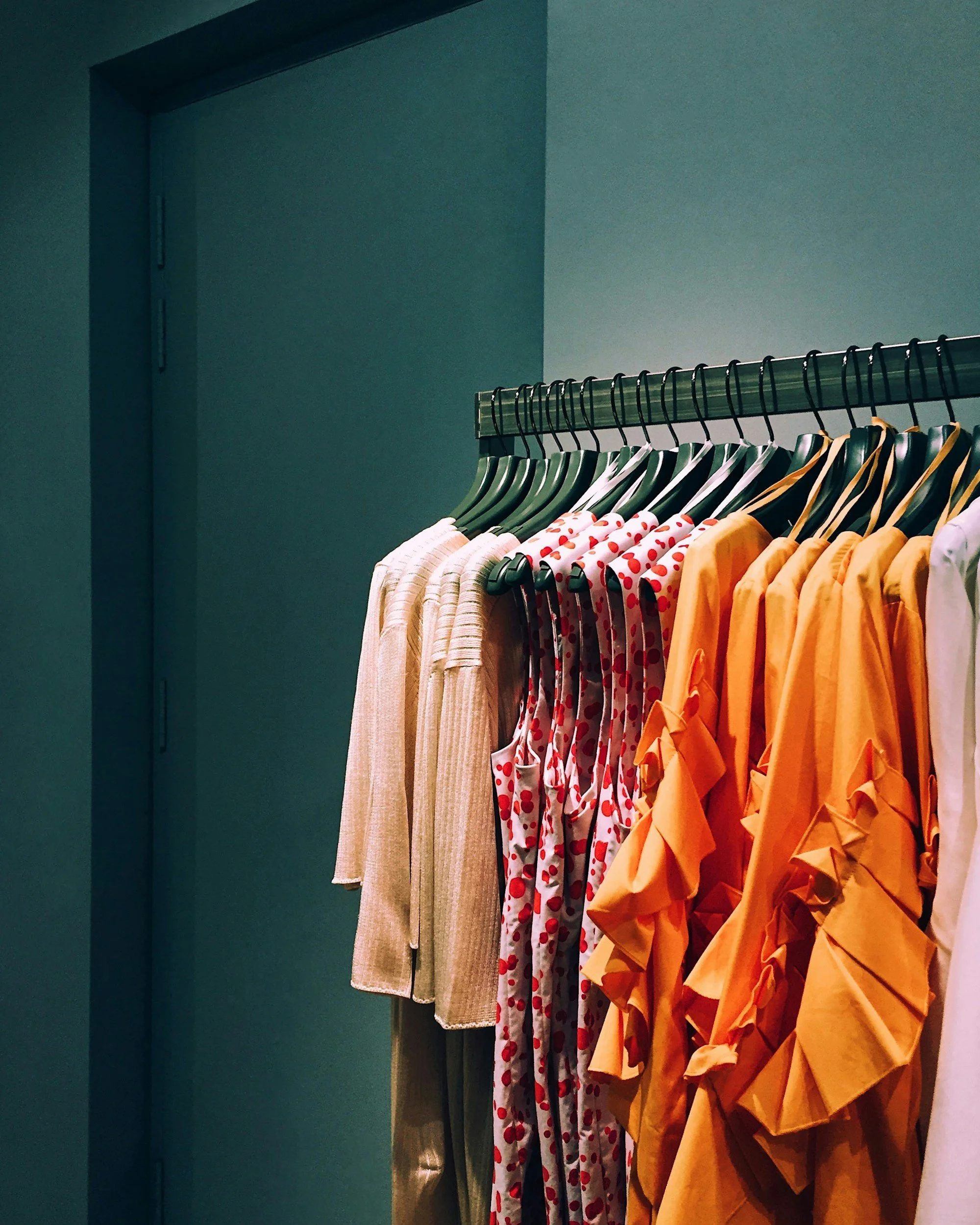
It was not always like this
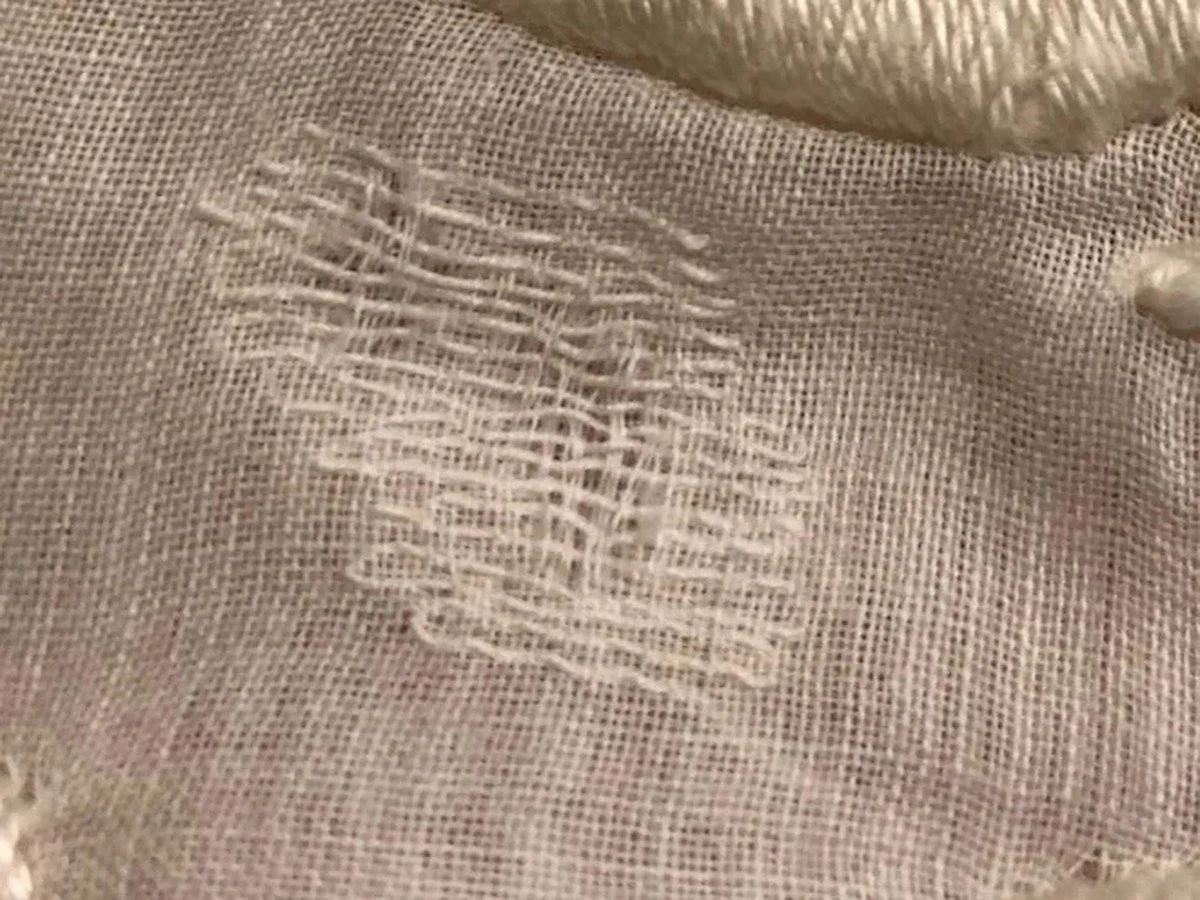
A hundred years ago, clothes cost a lot, and a festive dress was a serious thing. It was worn for years. It was passed on to younger sisters. An adult dress was remade into a children's dress. It was repaired, restyled for a new fashion, worn again. And at the very end of its life, it was cut into rags and patches for quilts.
Wearing something once is a new habit. It is about twenty years old. Before that, it simply did not exist. Nobody bought a dress for one photo, because a dress was too precious for that.
You do not have to buy the plastic dress
You can rent it. Fitzroy in Toronto ships across Canada. You rent a designer dress for four or eight days, and you send it back. A sequin gown that costs $1,245 in a store, you rent for $130. On the Runway in Surrey rents party dresses from $39, delivers across Canada, and you just return the dress, no dry cleaning needed.
You can borrow one from a friend. You can wear the dress you already have, with a different scarf, a belt, a jacket, and it looks new.
You can buy secondhand. The dress already exists, and someone else's once worn dress is your new dress. Poshmark, Depop, eBay, Facebook Marketplace, Kijiji. In Vancouver, Turnabout Luxury Resale on Main Street, Second Look
on Granville, Still Fabulous on Main Street.
You can even rent out your own dress. Rax in Toronto rents out dresses from their owners’ closets.
One honest note: there is no dress rental shop in Vancouver itself. Rent the Runway and Nuuly are US only, they do not ship to Canada. Vinted closed in Canada in February 2024, and Rent frock Repeat closed in 2020. So rent where it exists, or buy secondhand, or borrow.
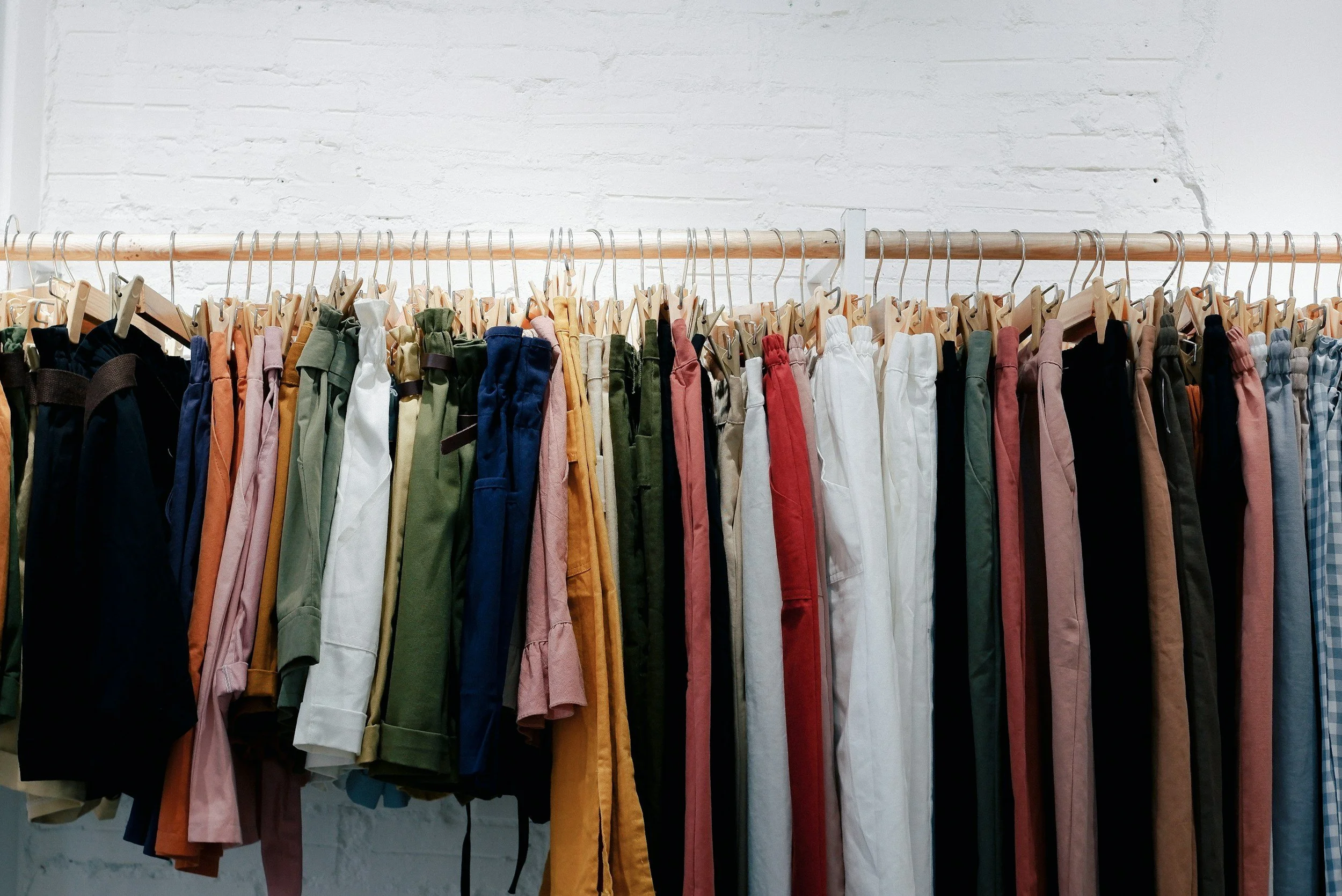
And when a piece truly reaches the end of its life, let it go well. Here is where your old clothes can go in Canada instead of landfill.
If you do buy something new
Then buy it like it matters, because it does.
First, the 30 wears test. Will you wear it 30 times? If the answer is no, leave it in the shop.
Second, cost per wear. Divide the price by the number of times you will wear it. A $130 dress worn once costs $130 a wear. A $130 dress worn 30 times costs a little over $4 a wear.
Third, the three looks test. Can you wear it three different ways, with three different things you already own? If not, it is not a dress, it is a photo.
Fourth, the 30 day rule. Wait 30 days before you buy. If you still want it after a month, it is not an impulse.
Fifth, one in, one out. When a new piece comes in, one piece goes out, to a friend, to a swap, to a thrift store.
Sixth, secondhand first. Look for it used before you buy it new.
And buy natural fabrics, not plastic. Silk, linen, TENCEL, organic cotton, cupro, hemp. Avoid virgin polyester, acrylic and PVC. Please.
If you already own a sequin dress, take care of it. Wash it inside out, in a mesh bag, in cold water, on a delicate cycle, with no bleach. Never put it in the dryer, the heat deforms the plastic sequins. Dry it flat, on a towel.

Start today, with love
The sparkle is real. The joy is real. Nobody says do not shine. Just do not buy plastic to shine for one night.
One rented dress. One borrowed dress. One dress you already own, worn in a new way. That is enough to start.
What will you wear to the party? Tell me in the comments.
With love, Kristina Wushke.
Where the numbers come from: Oxfam (2019); Hubbub, UK; Barnardo’s (2015); Refashion, Study on recycling disruptors (February 2025); Ellen MacArthur Foundation.