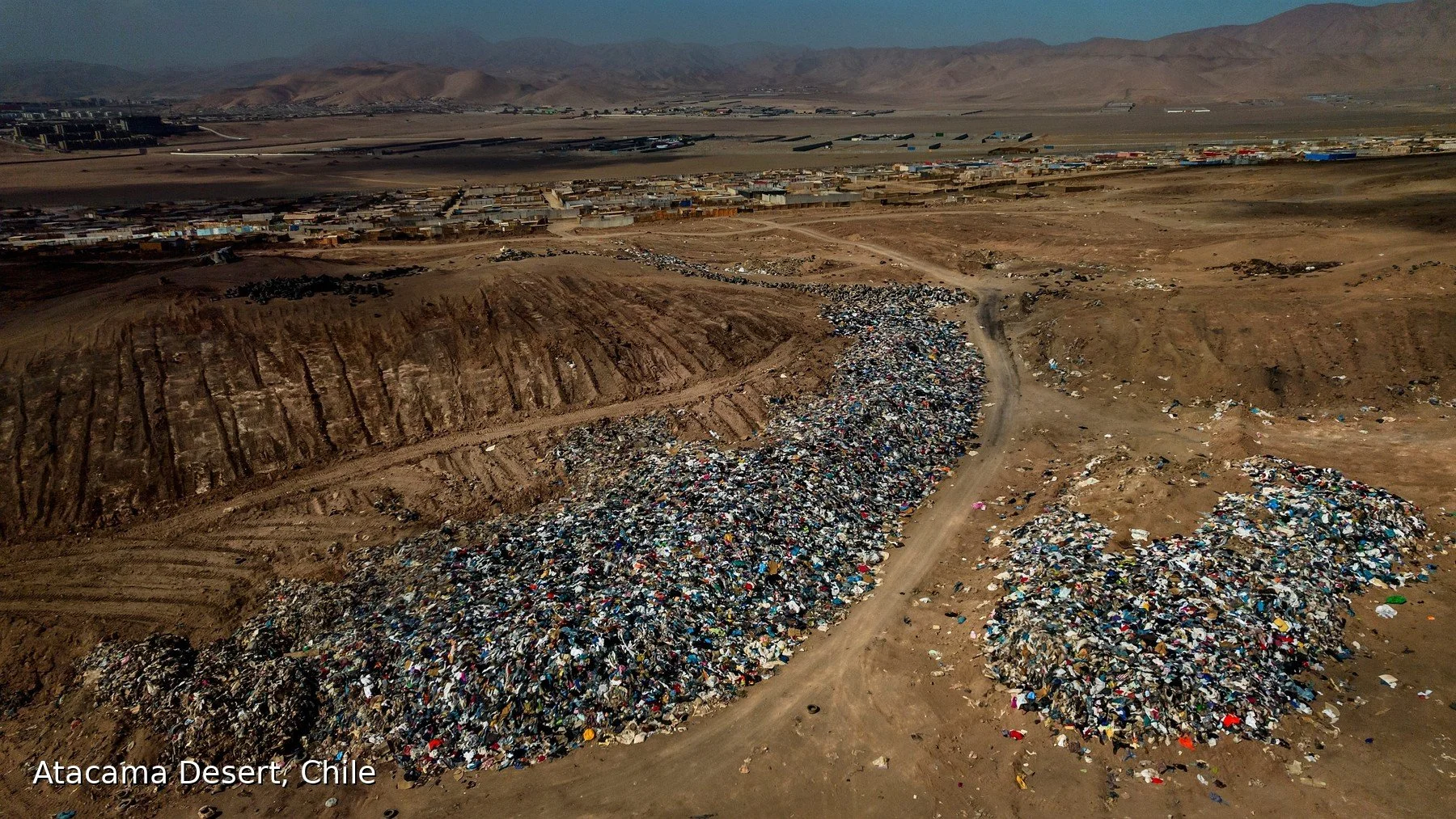
Only 1% of the clothes we throw away get recycled into new clothes. The rest goes to landfill.
That number comes from the Ellen MacArthur Foundation, and it is worth sitting with for a moment. We buy clothes, wear them for a season or two, and then most of them disappear into the bin. But your closet is not trash. A sweater you no longer wear, a coat that no longer fits, a torn T-shirt, even a single sock: almost all of it can still do good, if it goes to the right place.
And it can do good today. Not after a big clear-out, not when you finally have a free weekend. One bag, ten minutes, by the door. That is all it takes to start.
The trick is knowing which place is right for which clothes.
Here is the full guide, for Canada, in the order I would use it myself.
First, sort your bag into two piles
Before you leave the house, make two piles.
Pile one: good enough to wear again. Clean, no stains, no holes, zips and buttons working. These clothes can be sold in a thrift store and worn by someone else.
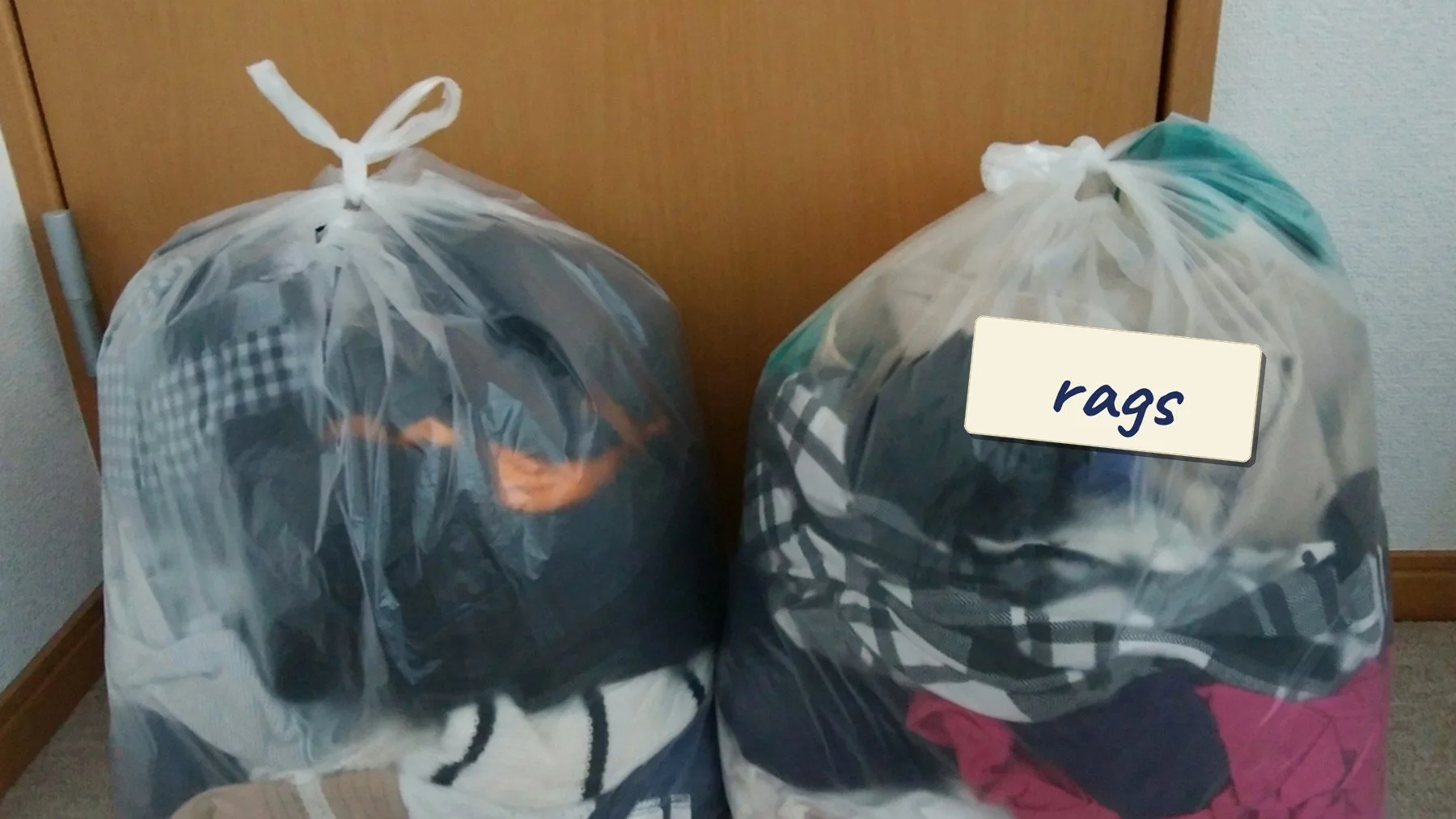
Pile two: worn out. Torn, stained, faded, stretched, missing a button, or simply past its life. These clothes cannot be sold, but they can still be recycled into rags, insulation, carpet padding, and other products. They just need to go to a place that accepts them for recycling, not resale.
This one step saves everyone time. Thrift stores spend hours sorting, and a bag of rags mixed in with good clothes slows them down. Label the second bag "rags" so the people who open it know at once what it is.
Everything should be clean and dry. Wet or dirty clothes can ruin a whole bag, and mould spreads fast.
1. Diabetes Canada: the easiest place to start
If you only remember one name from this article, make it Diabetes Canada.
Their program is called Declutter for Diabetes, and it works all over Canada. There are red donation bins in many towns and cities, and in many areas they will also pick up your donation from your home, free of charge. You book a pickup online, leave labelled bags on your doorstep, and they come to you.
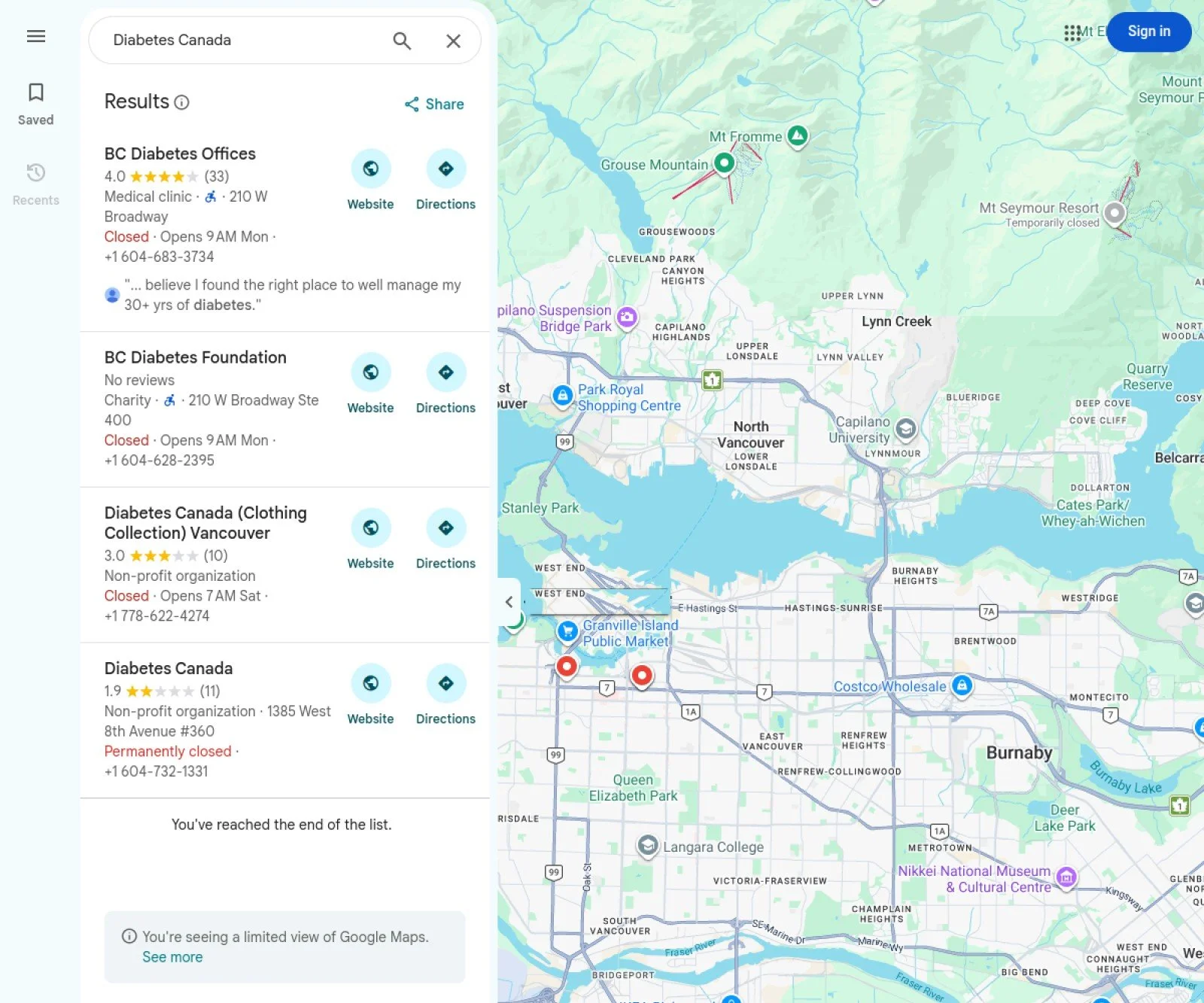
What makes them different is what they accept. They take even torn clothes. Clean and dry is the only rule. Good clothes are sold, and worn-out ones are recycled. Nothing good is wasted because a seam came undone
And the money does real work. Donations through this program have diverted over 3 billion pounds of clothing and household items from landfill, and raised over $200 million. That money funds diabetes research, and helps send more than 30,000 kids to summer camps for children with diabetes.

Summer camp is one of the things your donation helps fund.
Find a bin or book a free pickup here: Declutter for Diabetes — Diabetes Can
2. Thrift stores across Canada
Thrift stores are the second home for clothes that are still good enough to wear. Three names you will find in most provinces are the Salvation Army, Value Village, and Goodwill. They work in slightly different ways, so it helps to know the difference.
The Salvation Army Thrift Store is a non-profit. When you donate, the money from sales funds its programs: food banks, shelters, emergency relief, and help for people in need. What they cannot sell does not go straight to landfill. It goes to their recycling partners, and they estimate that less than 5% of donated textiles ends up in landfill. Drop off your donation at a Donor Welcome Centre, and you will usually get a 20% coupon for your next purchase as a thank you. Find a store or donation centre here: The Salvation Army Thrift Store — donations
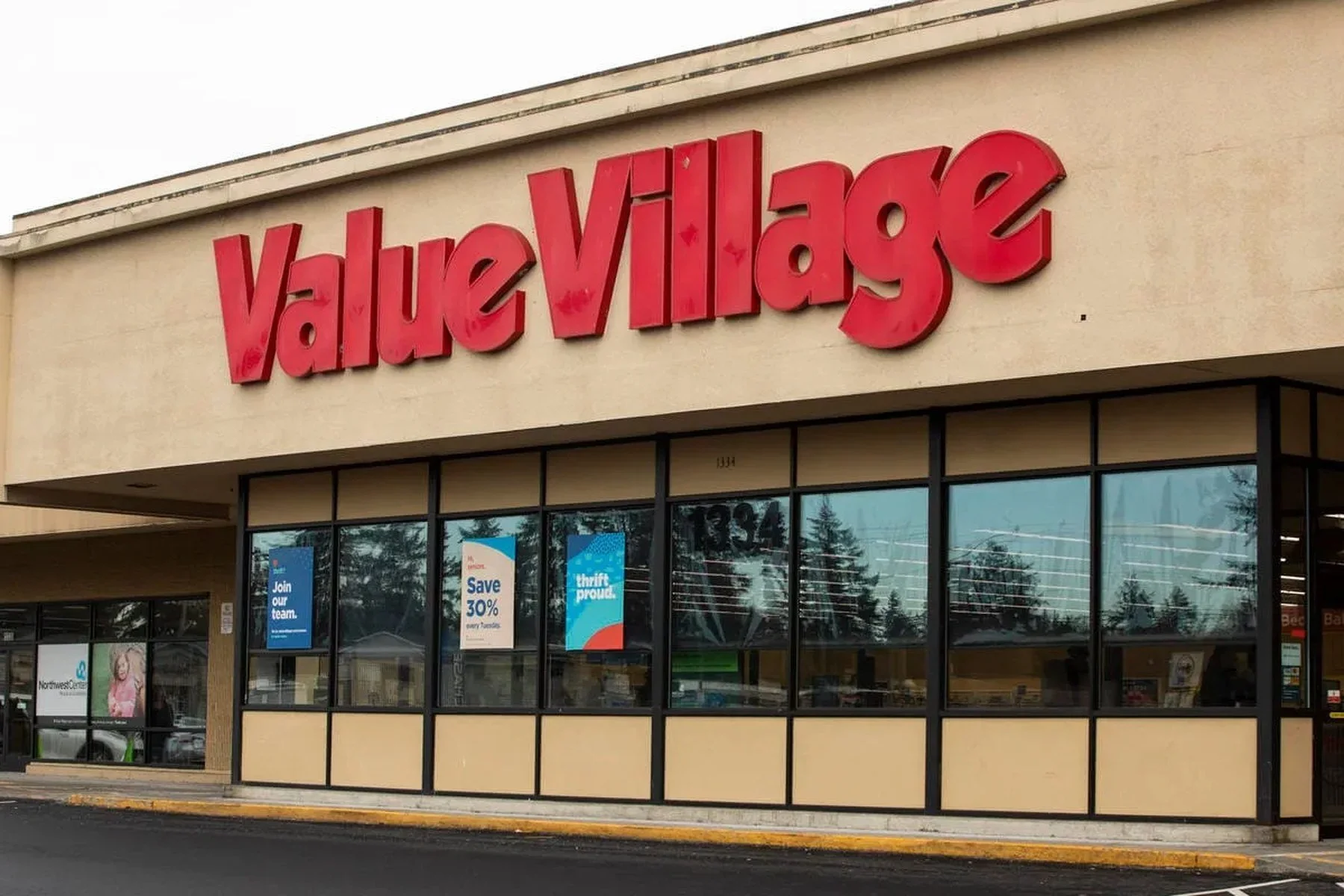
Value Village works with local non-profit partners. You drop off clothes and household items at a Community Donation Centre in the store, Value Village pays its non-profit partner for your donation, and that money funds programs in your community. The partner changes by location: in some stores it is Diabetes Canada, in others the Kidney Foundation of Canada, or the Ontario Federation for Cerebral Palsy. You can also save 20% on your next purchase when you donate. Learn how it works here: Value Village — Rethink Reuse

Goodwill is also a non-profit, and its stores fund job training and employment programs for people facing barriers to work. Goodwill asks that donations be clean and in resale condition, so this is the place for pile one, your good clothes, not for torn or stained items. What Goodwill cannot sell, it recycles or disposes of sustainably. Goodwill is organised by region, so check your local Goodwill for locations and what it accepts. In Ontario, start here: Goodwill Industries, Ontario Great Lakes — Donate
A small warning that applies to all three: check the bin before you use it. A real charity bin carries the charity's name and contact details. If a bin has no name on it at all, do not use it.
3. Ontario: Kidney Clothes
If you are in Ontario, there is one more name to know: Kidney Clothes, from The Kidney Foundation of Canada.
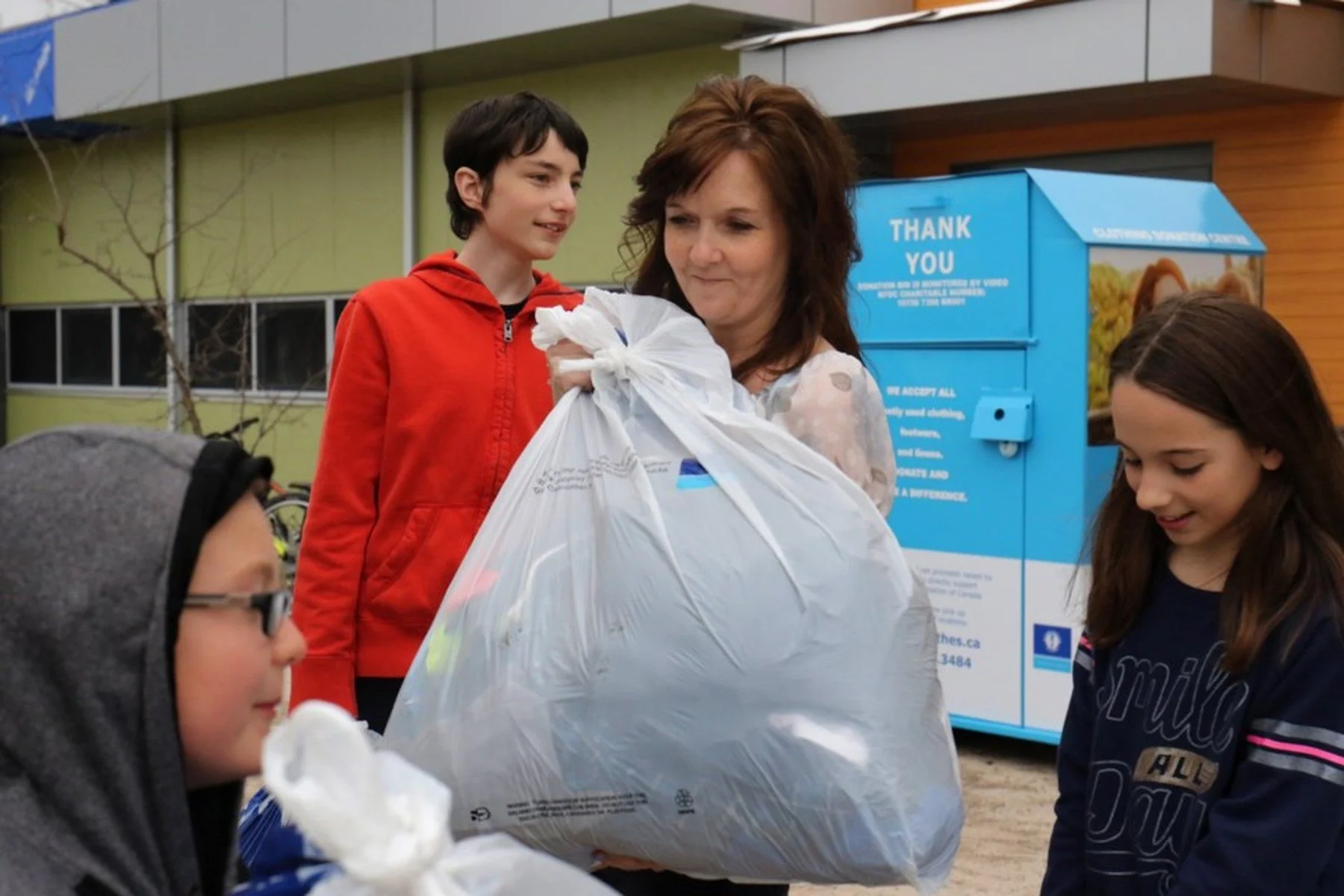
They have donation bins across Ontario, and they also offer free home pickup in many areas. They accept all used clothing, including outerwear, shoes and boots, bedding, blankets, pillows and linens, accessories, draperies, and even small working appliances, toys, books, and kitchenware. The money raised funds kidney research, patient programs, and organ donation awareness.
Book a pickup or find a bin here: Kidney Clothes — or call 1-800-414-3484.
4. Montreal and Quebec: Renaissance
In Montreal and across Quebec, look for Renaissance.
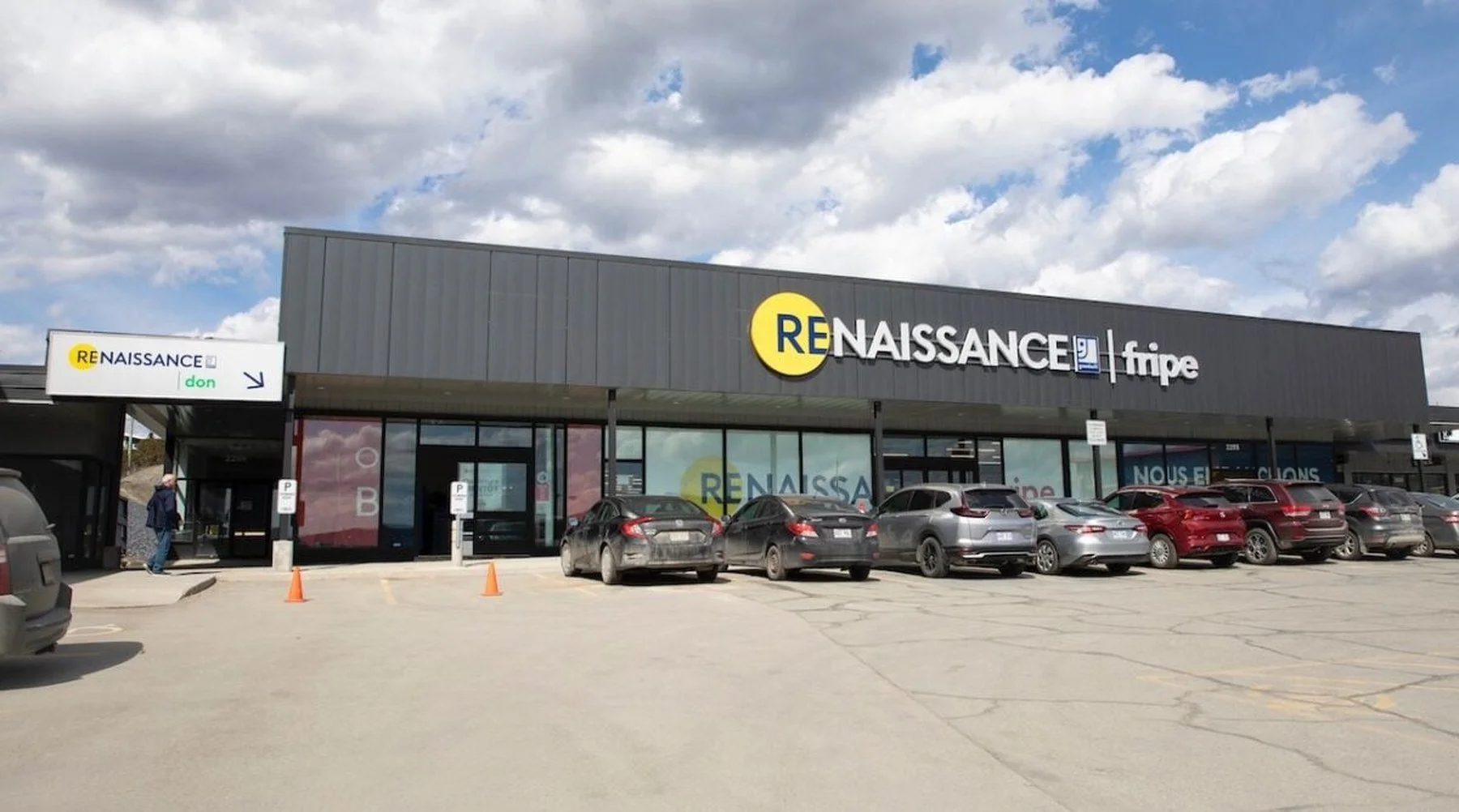
Renaissance is a Quebec non-profit, founded in 1994, with thrift stores, boutiques, bookstores, and donation centres across the province. When you donate or shop there, you are doing two things at once. You keep goods out of landfill, and you help people get back to work. Renaissance runs 26-week training programs with real work experience, and employment assistance centres that support people entering or re-entering the job market. Since it was founded, it has helped more than 11,600 people return to employment or education.
Find a store or donation centre near you here: Renaissance — Find a store or a donation centre
5. British Columbia: Return-It Textiles
If you are in BC, you have an option most provinces do not: Return-It Textiles.
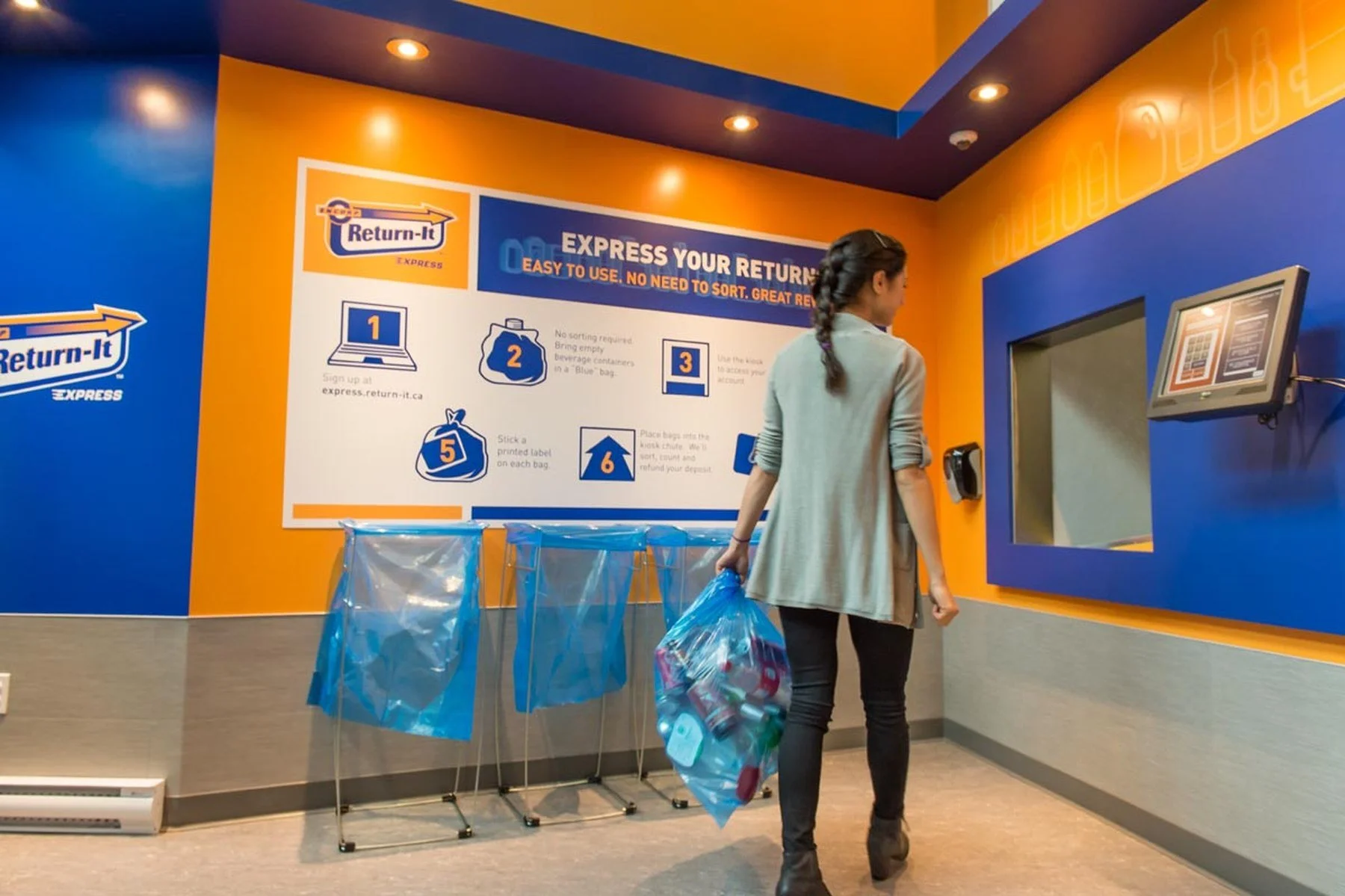
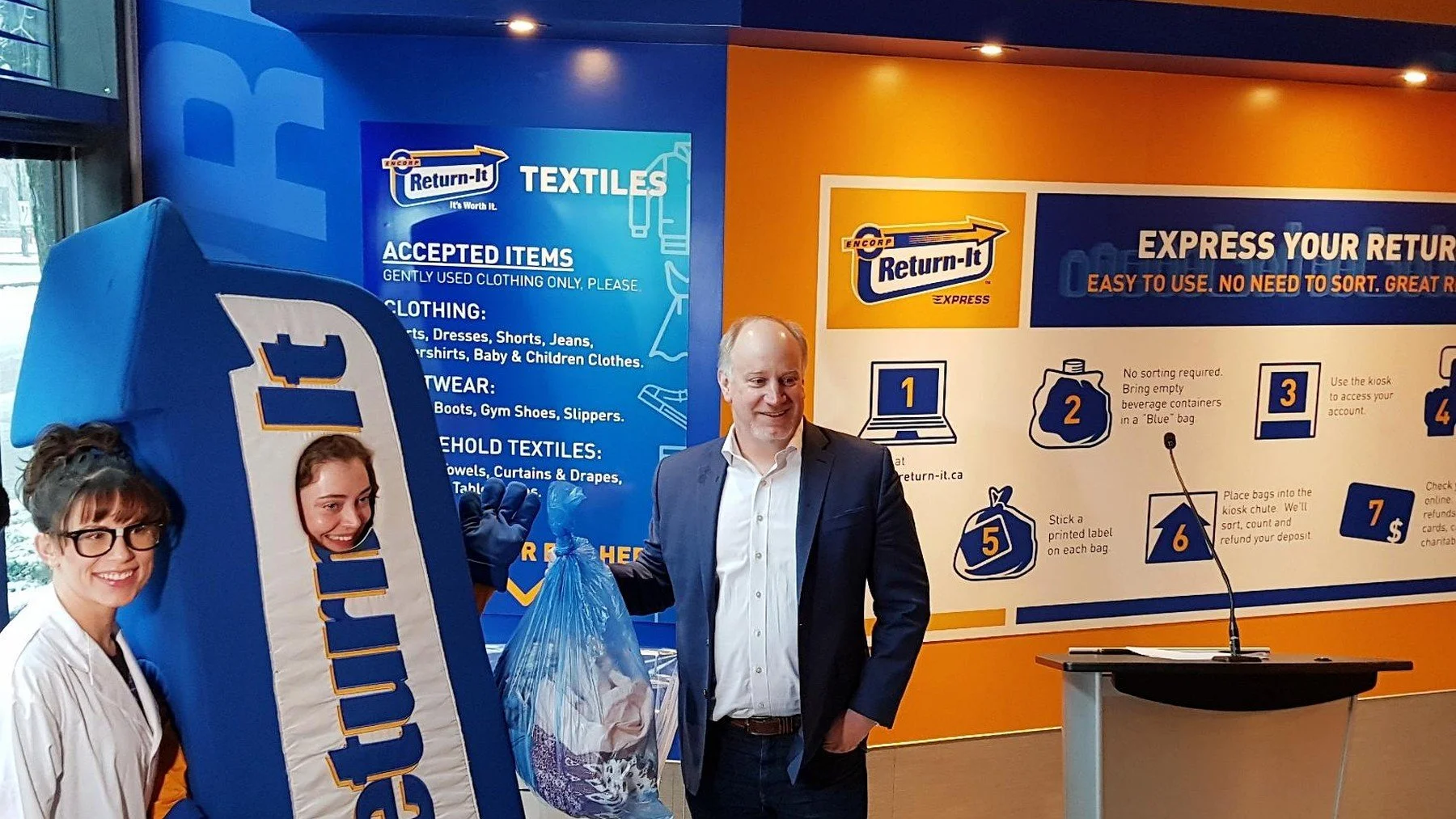
Return-It runs depots across BC, and since 2020 it has partnered with the Salvation Army to accept old clothing and textiles for reuse and recycling. There are 46 locations and counting. You can drop off clothes while you are already at the depot, and the Salvation Army sorts them: saleable items go to thrift stores, the rest is recycled into industrial rags, insulation, carpet padding, and upholstery stuffing.
The scale of the problem in BC is easy to miss. The average adult throws away about 81 pounds of textiles a year. In Metro Vancouver alone, textiles make up about 5% of municipal solid waste. The Return-It Textiles program has already diverted over 485 tonnes of used textiles from landfill.
They accept clothing of all types, curtains, towels, blankets, sheets, shoes and boots, and sleeping bags.
Read how it works and find a depot here: Return-It Textiles and the Salvation Army — depot locator: Return-It
If you are in Metro Vancouver and want one more local search tool, try this: Metro Vancouver — Clothing Donation and Recycling
6. Give it directly: the fastest second life
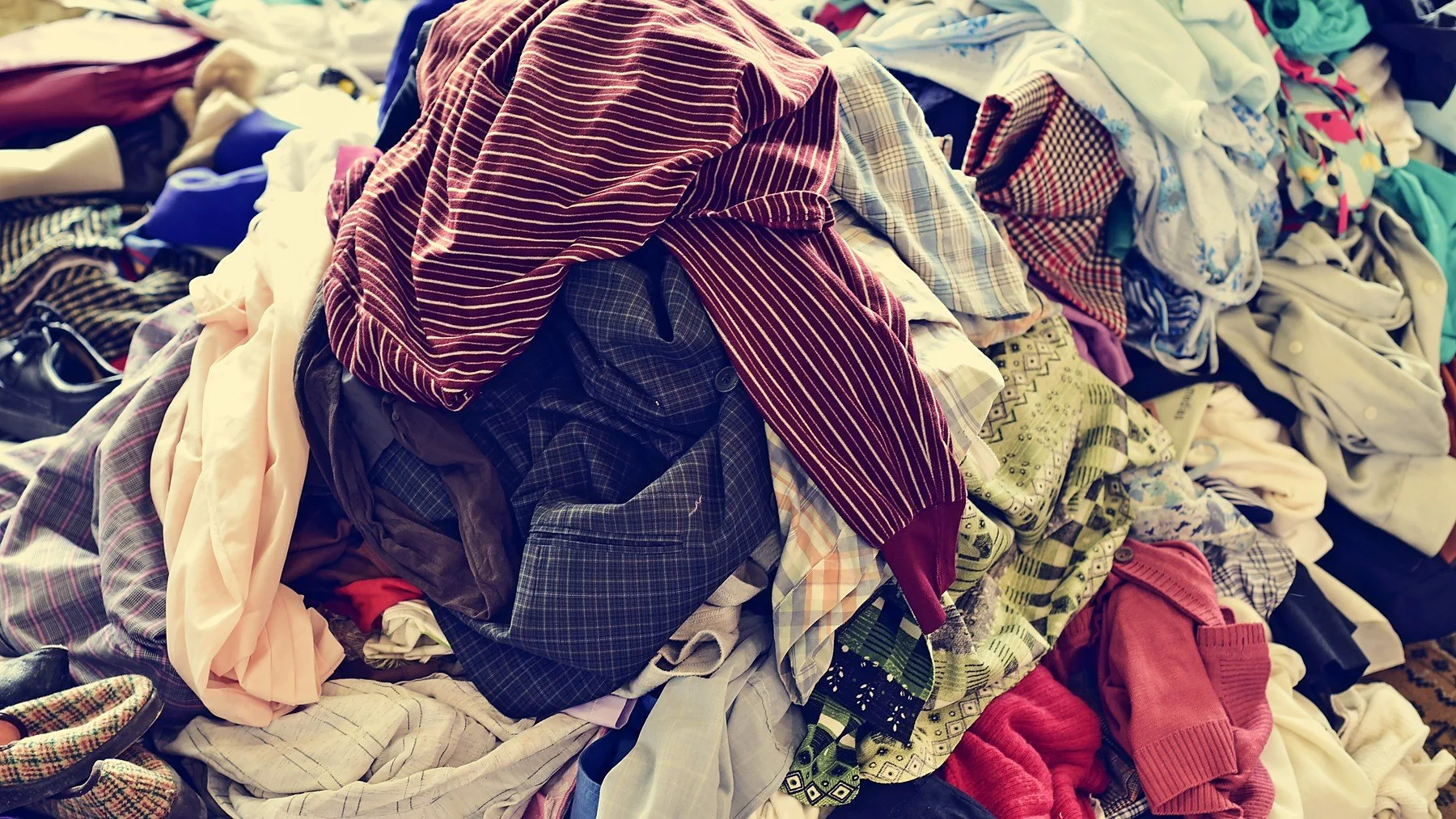
Not everything needs a charity in the middle. Sometimes the fastest second life is the one next door.

A Buy Nothing group. These are local, neighbourhood groups, usually on Facebook, where neighbours give things away for free. No buying, no selling, no trading. You post a photo, a neighbour picks it up, and you meet someone on your own street. Search Facebook for "Buy Nothing" and the name of your neighbourhood.

A clothing swap with friends. Put a date on it, ask everyone to bring five good pieces they no longer wear, and lay them out on a table. What is left at the end goes straight into a donation bag. It costs nothing, and it is far more fun than sorting a closet alone.

Old towels to an animal shelter. Shelters always need towels and blankets for bedding. Call first and ask what they need right now, and whether they take pillows or duvets. Clean, dry, and no strong smells.

Costumes to a school theatre. Old dresses, jackets, hats, scarves, and anything dramatic are gold for a school play. Ask the school office or the drama teacher before you drop a bag off.
What never to do
Never put clothes in the blue bin. Curbside recycling does not take textiles. Clothes tangle in the sorting machines, and the whole bag goes straight to landfill. It is the one mistake that undoes all the good sorting you just did.
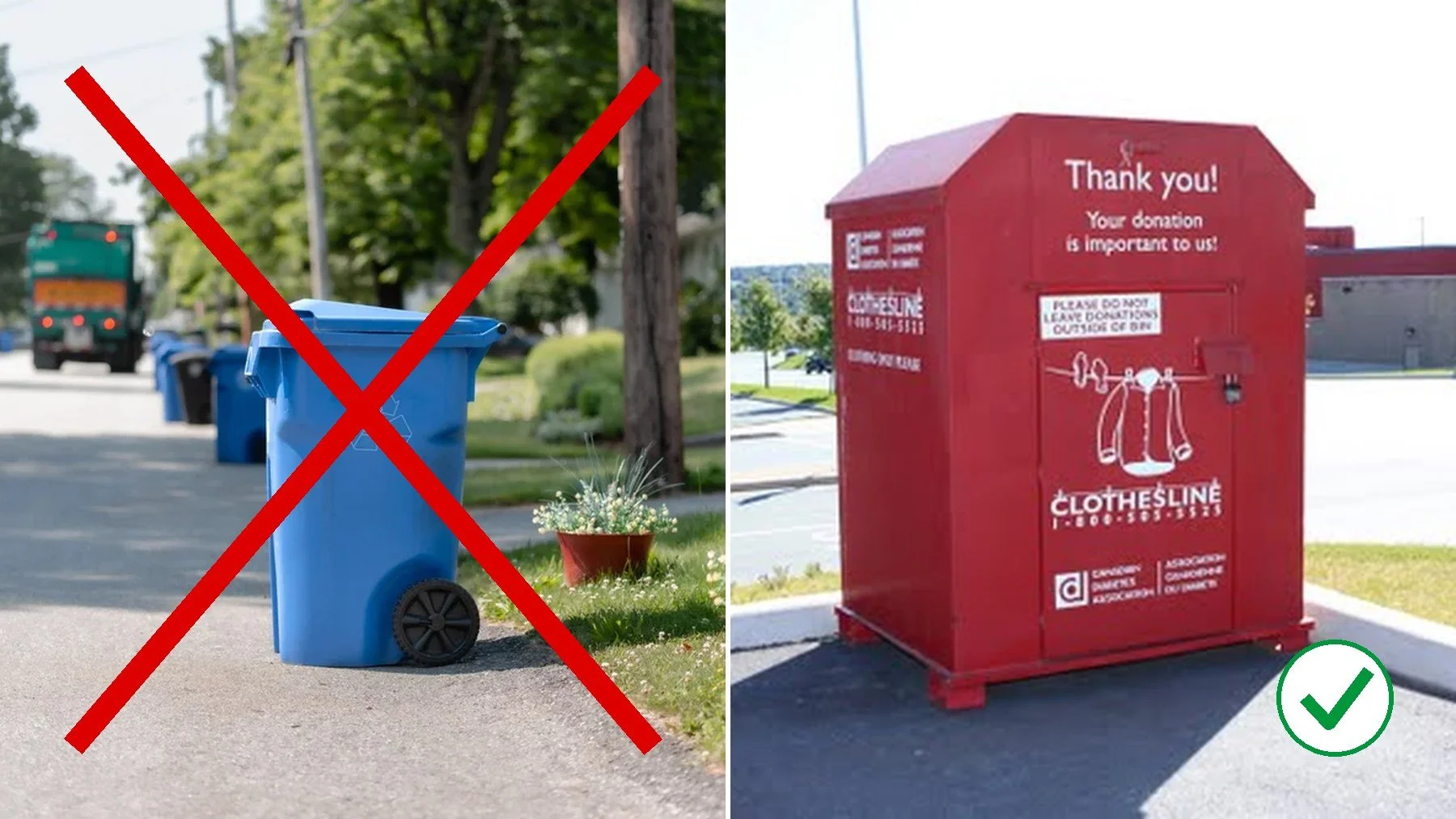
Never leave bags beside a full bin. If the bin is full, the bags get wet, they get torn open, and the charity has to pay to clear them away. Find another bin, or book a free pickup instead.
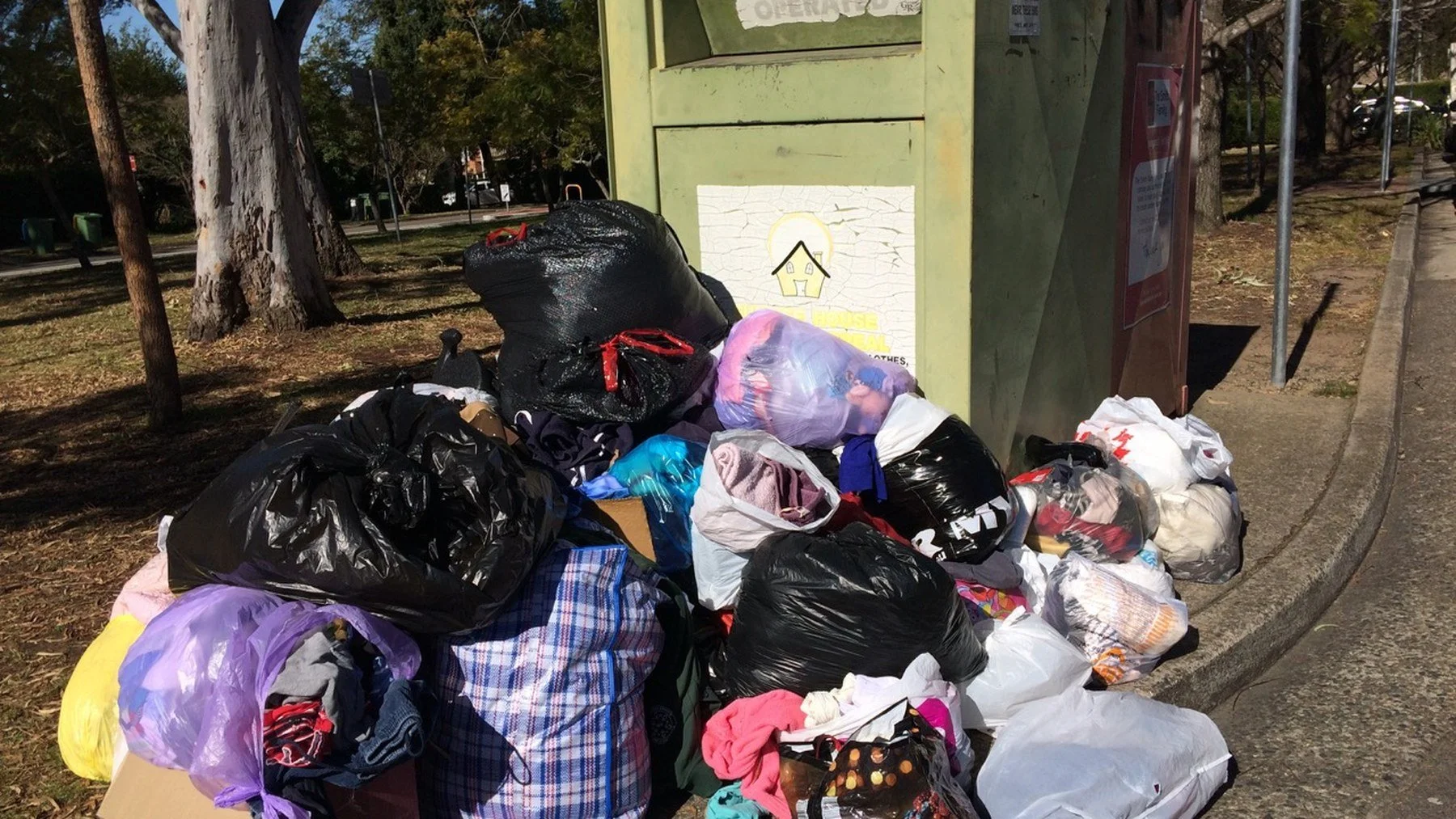
Do not donate wet, mouldy, or oily clothes. Clean and dry is the rule for a reason. One wet bag can spoil the rest.
A simple routine that actually works
You do not need to do a whole closet in one day. Try this instead.
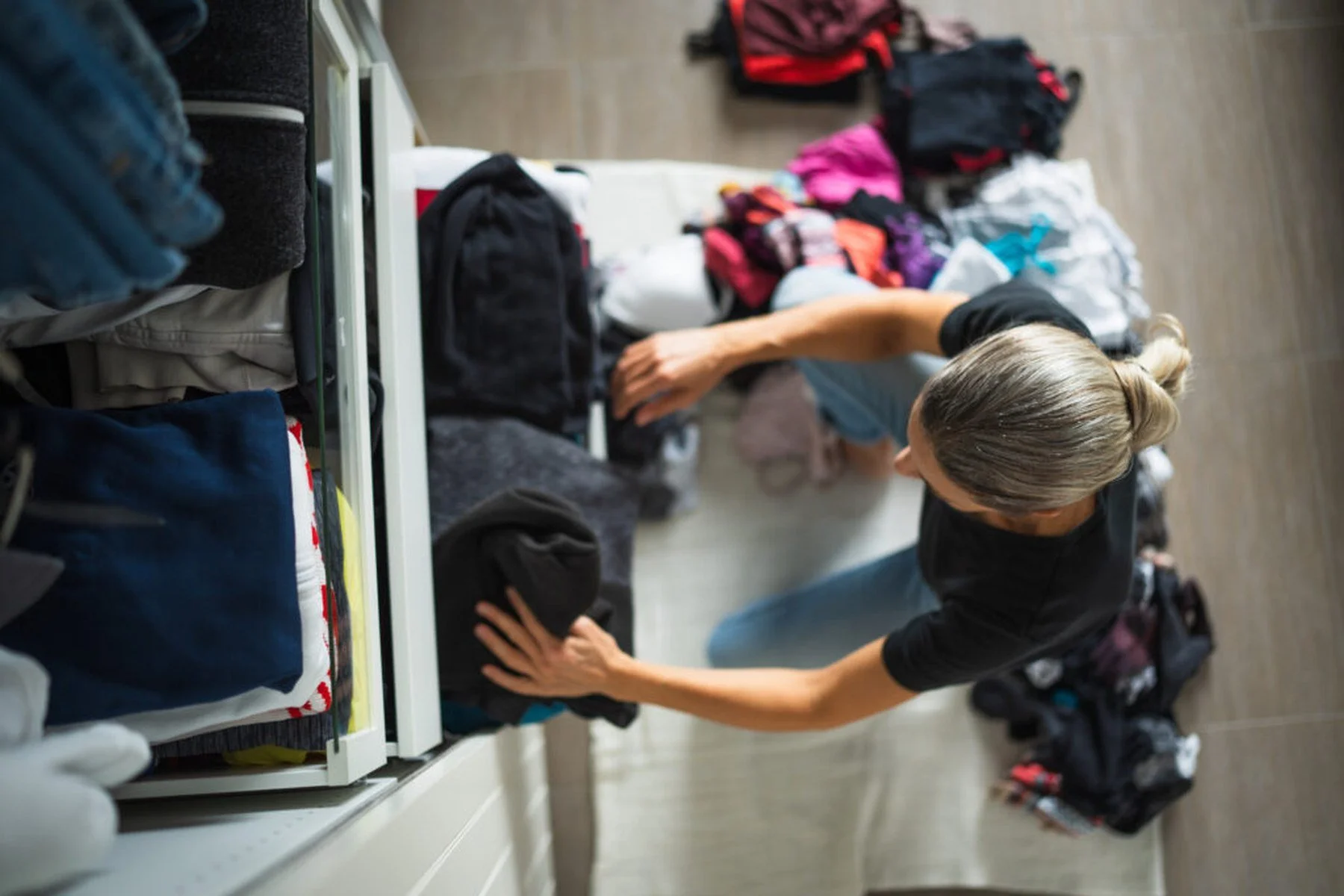
Once a season, take one bag and walk through your closet. If you have not worn something in a year, and you cannot name the occasion when you will wear it next, it goes in the bag. Put the bag by the door the same day, not back in the closet. Book a pickup, or drop it off on your next errand. One bag in, one bag out: when something new comes in, something old goes out.

And before you buy something new, ask one quiet question: will I still want to wear this in five years? The most sustainable piece of clothing is the one you keep. That is why I make timeless pieces, from natural fabric, that are meant to be worn for decades and passed on, not worn for a season and thrown away. But even the best piece will one day reach the end of its life. When it does, let it go well.
Start today, with love
Please do not put this off until the perfect moment.
That one small, kind step is enough: a child gets a summer camp, a neighbour gets a warm coat, and a good piece of clothing gets the second life it deserves.
Your closet can do good.
With love, Kristina Wushke
All the links in one place
Diabetes Canada, Declutter for Diabetes: https://declutterfordiabetes.ca
The Salvation Army Thrift Store, donations: https://thriftstore.ca/donations-of-clothing-and-household-goods
Value Village, Rethink Reuse: https://www.valuevillage.ca/thrift-proud/rethink-reuse
Goodwill Industries, Ontario Great Lakes, Donate: https://www.goodwillindustries.ca/donate
Kidney Clothes, Ontario: https://kidneyclothes.ca
Renaissance, Quebec, find a store or donation centre: https://renaissancequebec.ca/en/map/?type=don
Return-It Textiles, BC: https://www.return-it.ca/blog/textiles-sa/
Return-It depot locator, BC: https://www.return-it.ca/
Metro Vancouver, Clothing Donation and Recycling: https://metrovancouver.org/repair-and-rewear/donation-and-recycling
What is sitting in your closet right now? Tell me in the comments.