
The average garment today is worn just seven times before it is thrown away.
Seven times. Then it goes in the bin.
A hundred years ago, that sentence would have made no sense at all. A dress was not something you wore seven times. It was something you wore for years, mended, altered, and then passed on to someone else.
100 years ago: clothes were made to stay
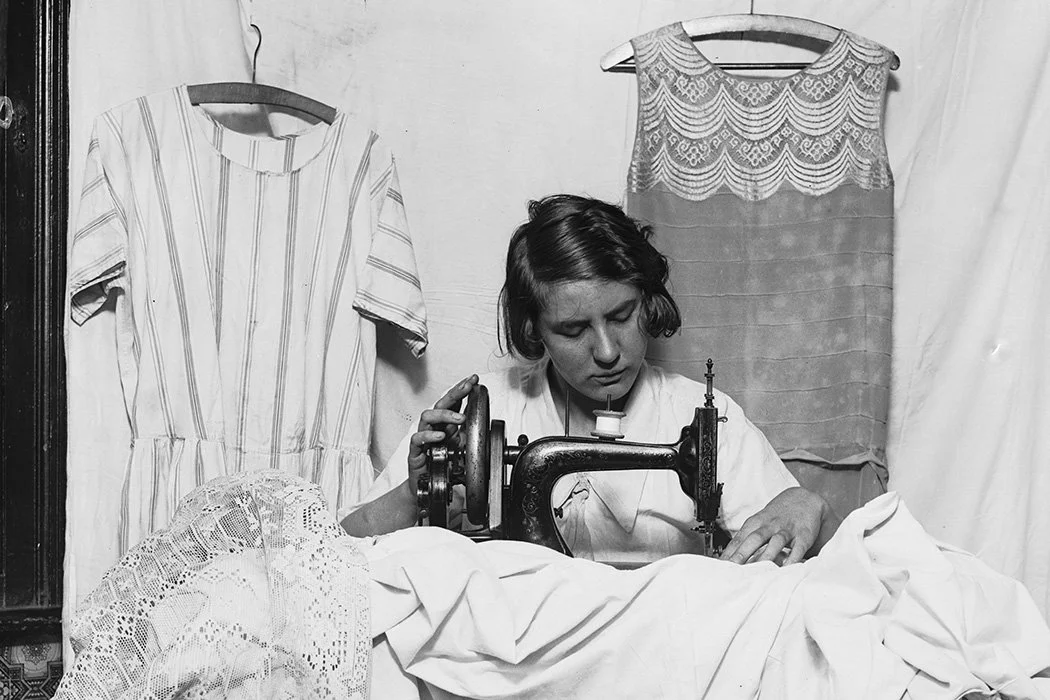
Picture a wardrobe in the 1920s. A woman owned a handful of dresses, not a rail full of them. A man owned two or three suits. Clothes were made from cotton, wool, linen and silk, and they were made by hand or by a local dressmaker who knew your measurements.
A dress cost a real part of a family's money. So it had to earn its place. Seams were generous, so a dress could be let out or taken in. Hems could be lowered as a girl grew. A torn elbow was darned, a worn collar was turned, a coat was relined instead of replaced.
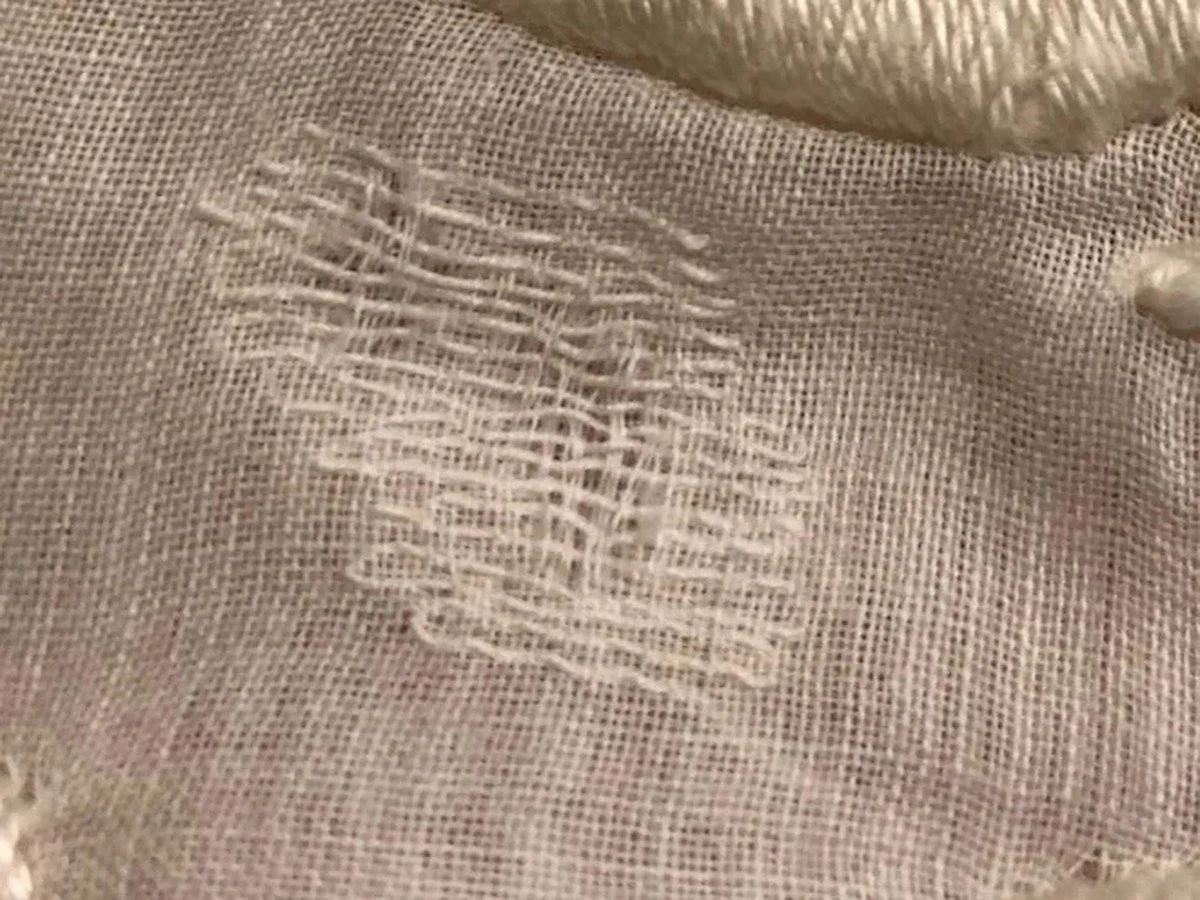
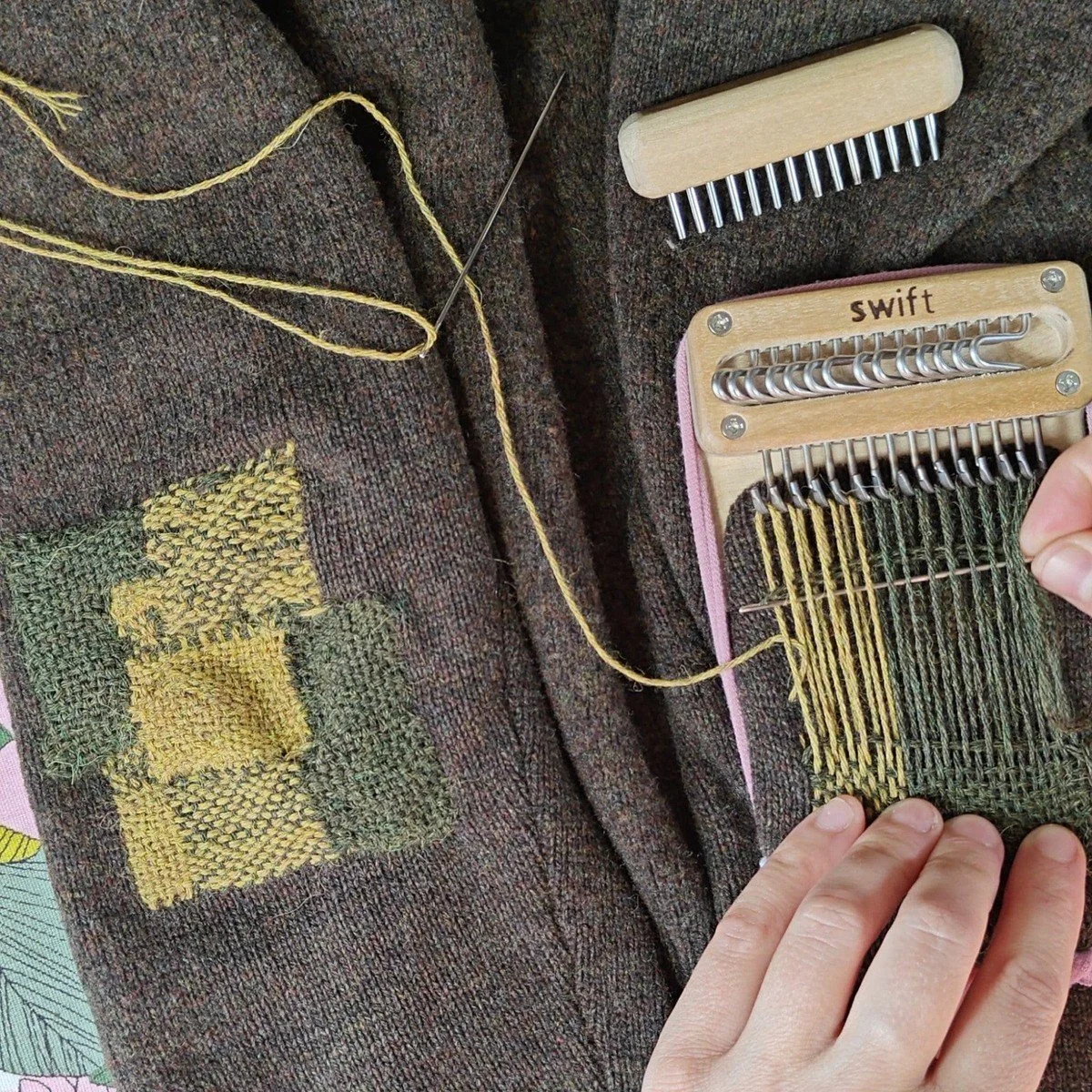
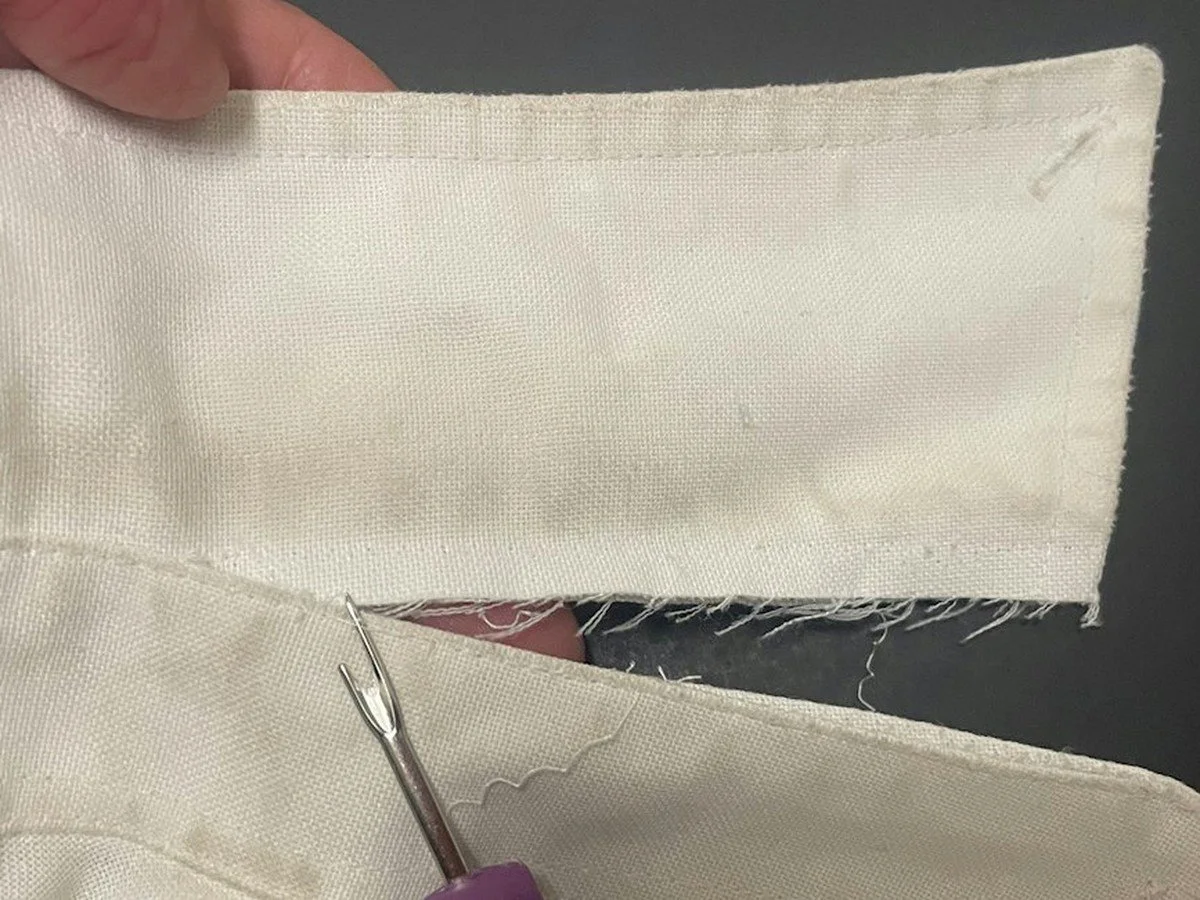
Nothing about this was called sustainability. It was simply how life worked. Things were made to last because making them again was expensive, and throwing them away was wasteful in a way everyone could feel.
The thread that runs through this story starts here: clothes were made to be kept.
50 years ago: the easy clothes arrive
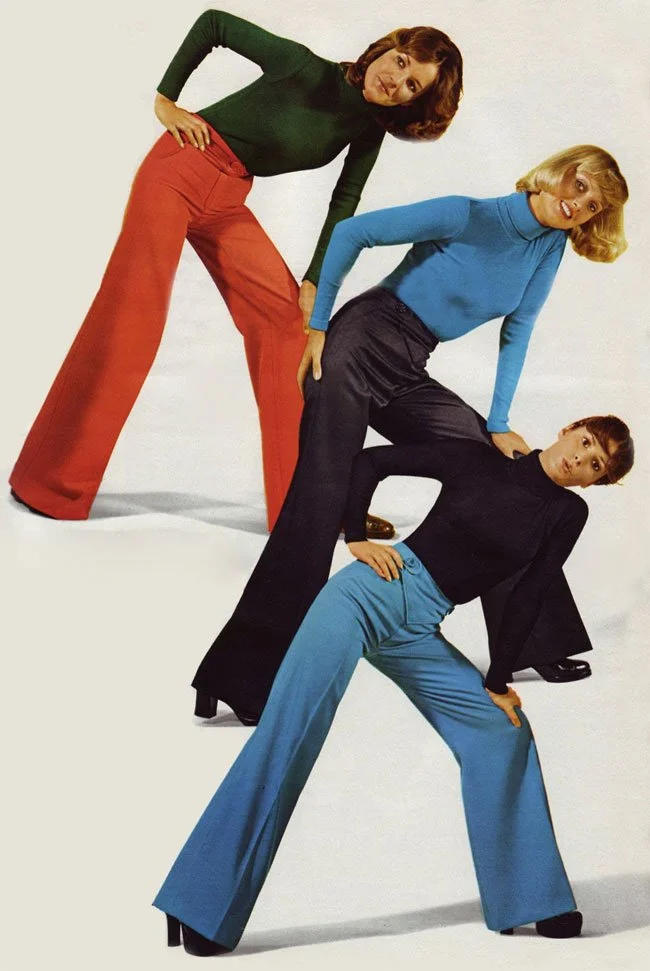
By the 1970s, something new had moved from the laboratory into the wardrobe. Nylon had been invented in the 1930s, polyester in the 1940s, and now they were everywhere. Shirts that never needed ironing. Dresses that came out of the washing machine ready to wear. Bright colours that never faded.
It felt like progress, and in some ways it was. Life was getting busier, more women were working outside the home, and nobody had time to spend an evening ironing. Easy clothes were a gift.
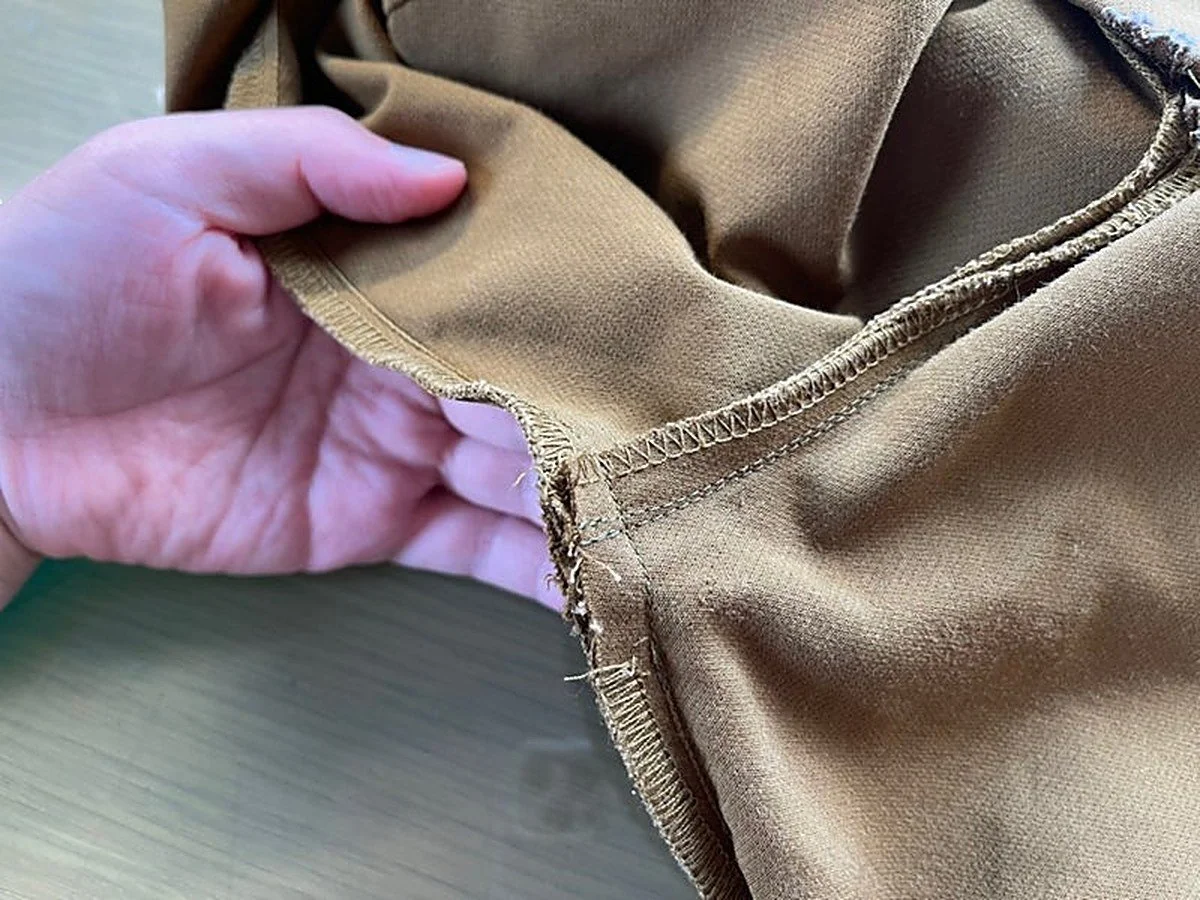
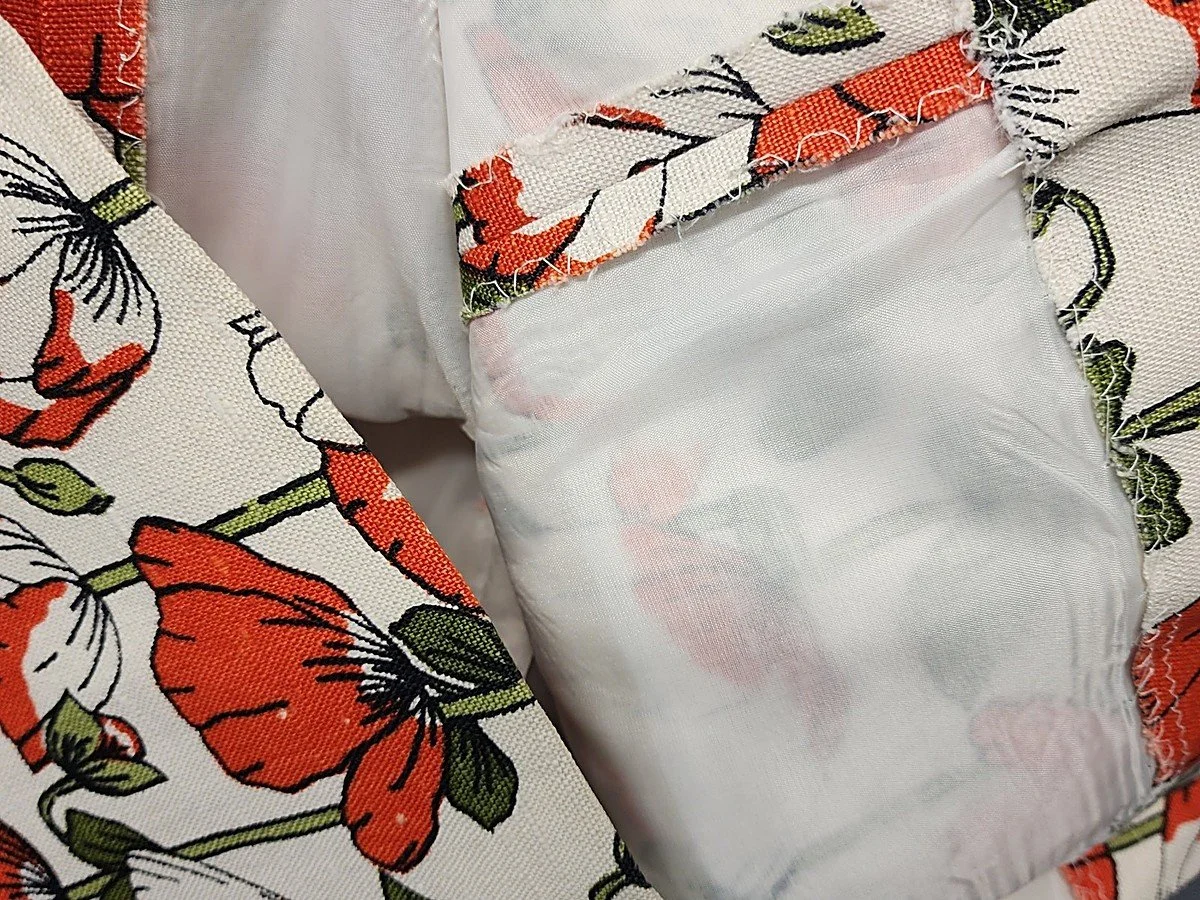
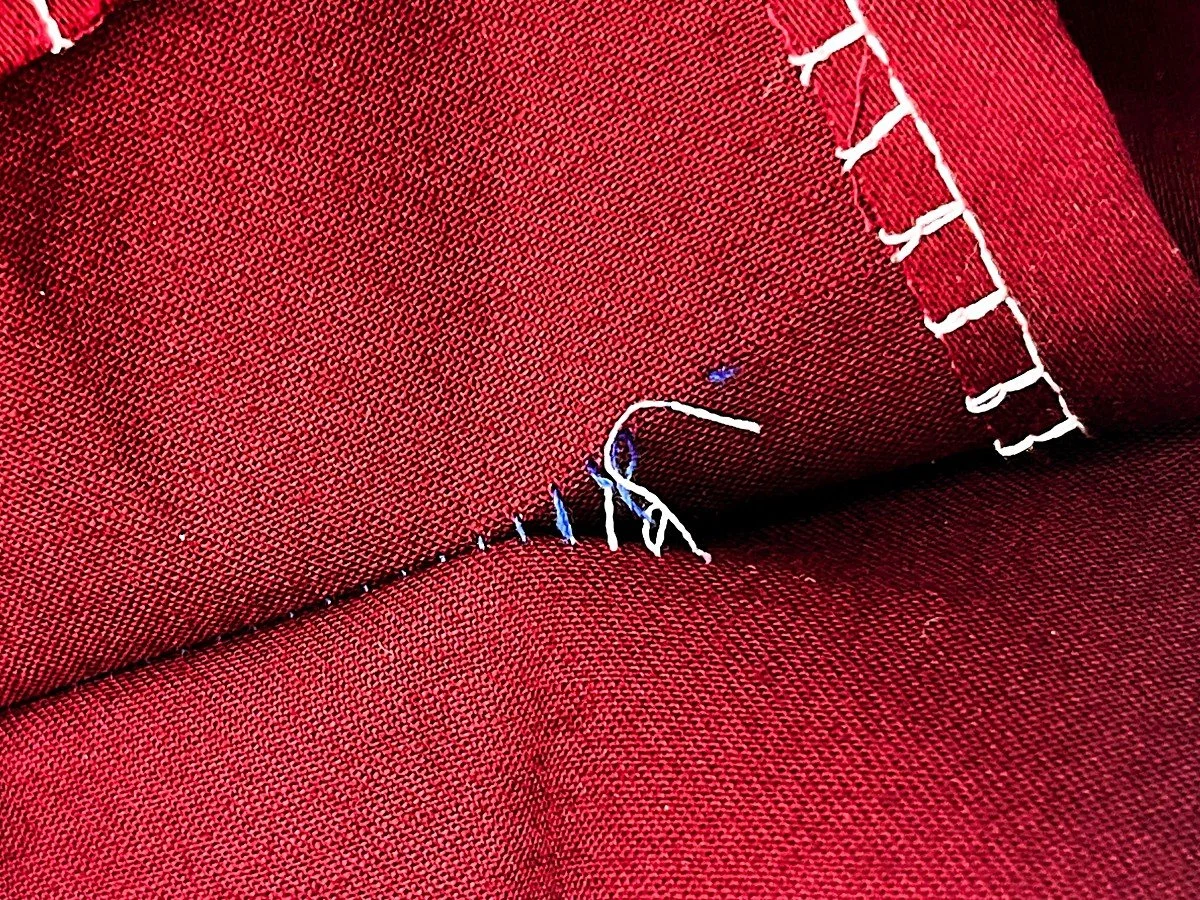
But quietly, something else changed too. When a shirt costs little and needs no care, you stop caring for it. When it pills or a seam comes loose, you do not mend it. You replace it. The repair shops on the high street began to close, one by one. The skill of mending, which every grandmother knew, started to look old fashioned.
The thread moves: convenience arrived, and care started to leave.
30 years ago: fashion learns to be fast
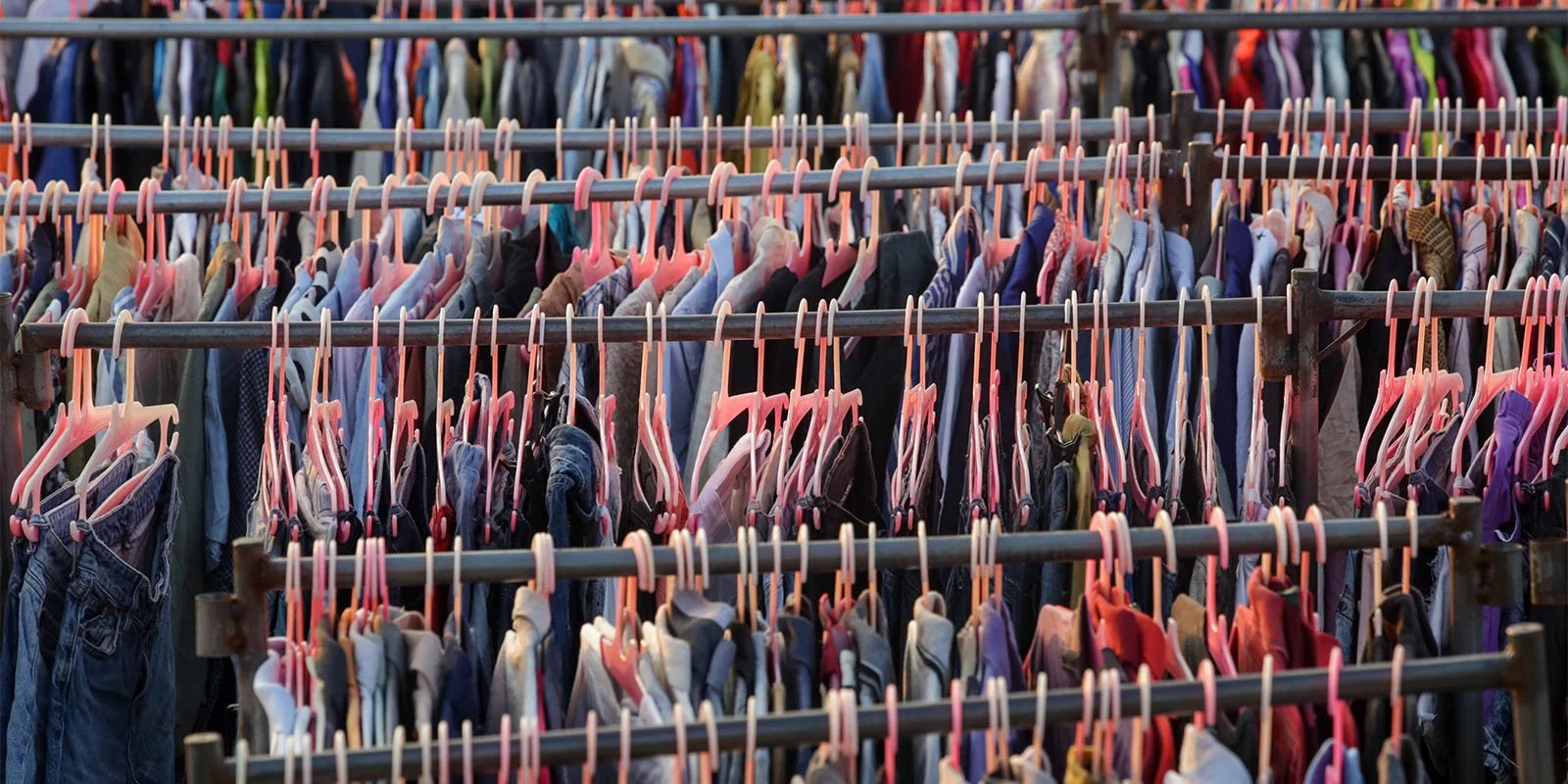
In the 1990s, fashion changed its speed. Zara grew across the world, H&M followed, and production moved to wherever labour was cheapest. Instead of two collections a year, spring and autumn, there were new styles every few weeks. Prices fell. Volumes rose.
This was the moment clothes stopped being something you thought about before buying. A top for the price of a lunch is not a decision. It is an impulse. You buy it, wear it twice, and forget it in the back of the closet.
Nobody told us to do this. Nobody had to.
The thread moves again: fashion stopped being about the garment and started being about the price tag.
20 years ago: clothes become content
In the 2000s, two things arrived together: online shopping and social media. You could buy a dress at midnight with one click, and you could show it to the world the next morning. Then came ultra fast fashion. Shein was founded in 2008, and soon thousands of new styles appeared every single day. A trend could be born, sold and forgotten within a week.
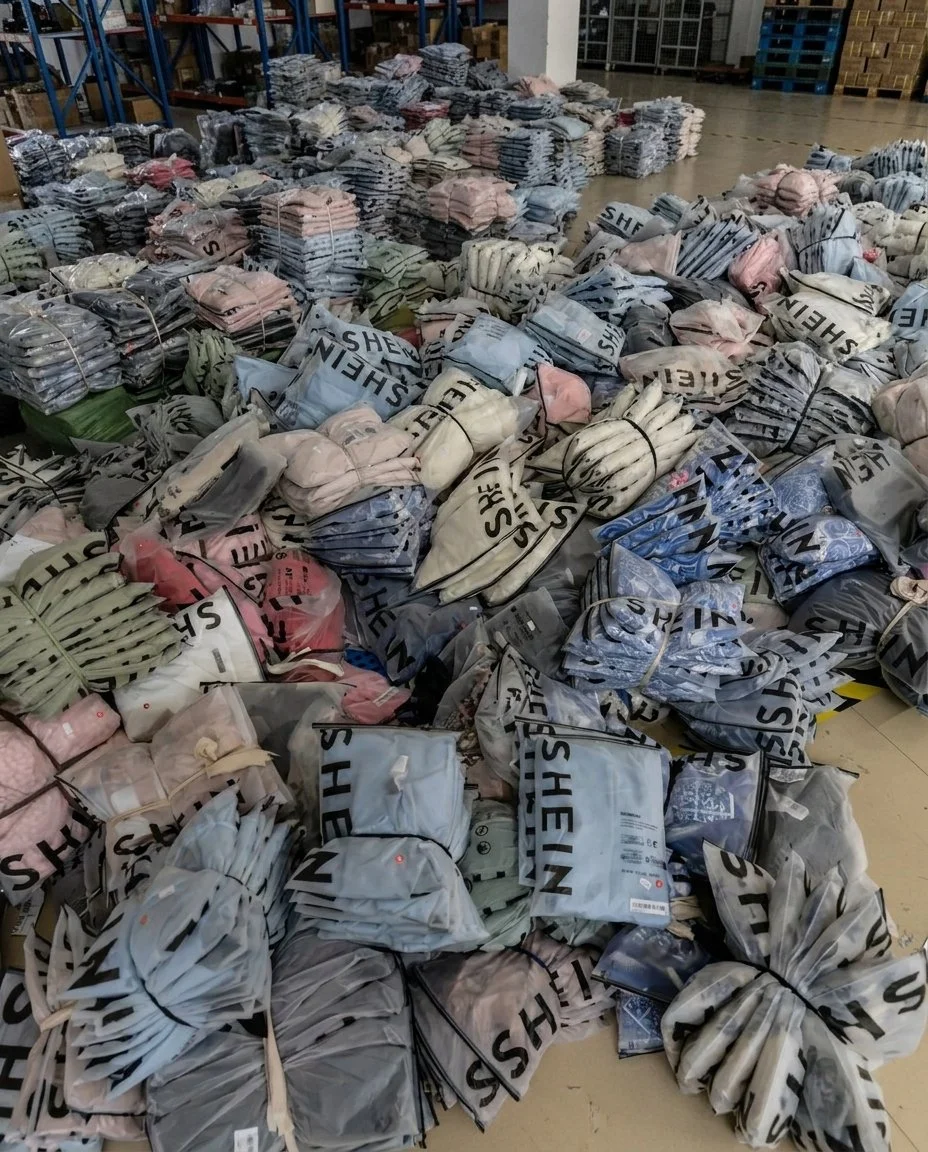
Now the life of a garment could be shorter than the life of the photo of it. Wear it once for a picture, then never again. The garment was no longer the point. The picture was.
The thread moves again: the garment became content, made to be seen once and thrown away.
Today: the numbers
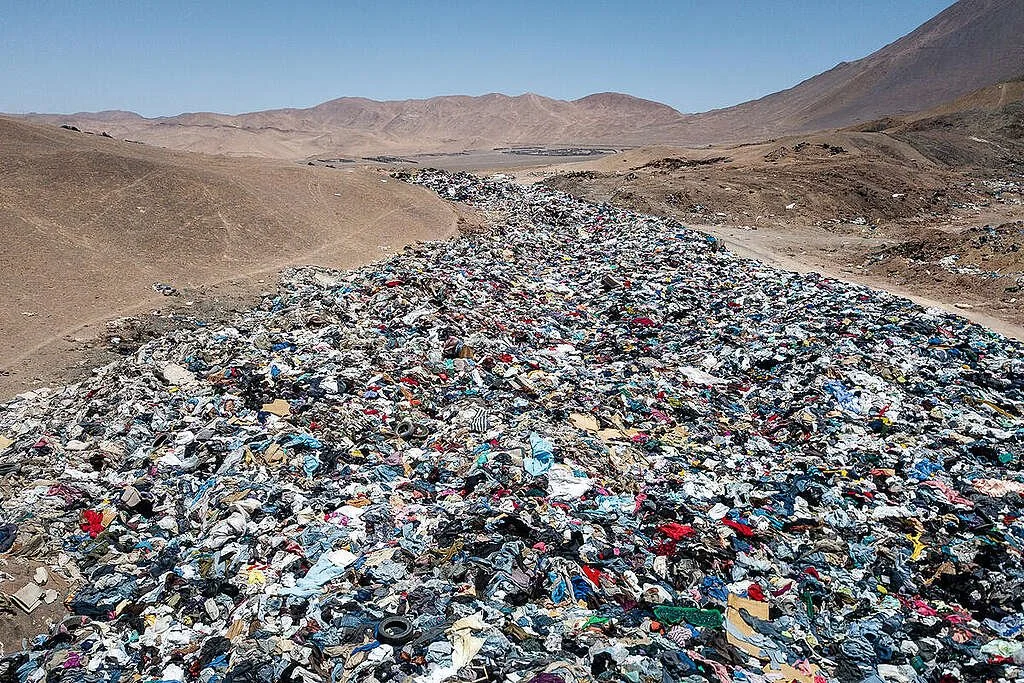
So here we are. Let us look at the numbers, plainly, because they are hard to believe.
We now produce around 100 billion new garments every year. That is about 13 pieces for every person on Earth, including babies. Clothing production has roughly doubled since the year 2000, and each garment is worn about a third less than it was fifteen years ago. On average, seven times.
Every year, about 92 million tonnes of textile waste are created. That is the equivalent of one garbage truck full of clothes being landfilled or burned every single second. Less than 1% of old clothing is recycled into new clothing. Almost everything else is burned or buried.
Fashion is also responsible for up to 10% of global carbon dioxide emissions, by some estimates. That is more than all international flights and shipping combined.
The thread, pulled tight: we make more clothes than ever, keep them for less time than ever, and throw away almost all of them.