Real vs. Fake Silk: How to Spot Quality Silk Scarves
The Ultimate Silk Guide: Why Material Matters
In a world of fast fashion and confusing labels, finding genuine quality can feel like a treasure hunt. You see something shiny labelled "silky," but does that mean it’s actually silk?
For the discerning woman buying a luxury accessory—whether as a treat for herself or a significant gift—understanding the material is crucial. A scarf isn't just a piece of fabric; it's an experience against the skin, a statement of style, and an investment in longevity.
At my Vancouver studio, I work exclusively with 100% natural silk. But what does that really mean, and why should you care? Let’s demystify the world of silk, from spotting fakes to understanding the sophisticated weaves like Satin and Twill.
The Real Deal: Natural Silk vs. "Silky" Synthetics
The biggest confusion comes from materials like polyester or rayon that are processed to look shiny. They might feel smooth initially, but the difference becomes obvious very quickly.
Natural Silk (The Gold Standard) Genuine silk is a protein fiber, similar to human hair or skin. This is why it feels so harmonious against the body. It is breathable, temperature-regulating (keeping you cool in summer and warm in winter), and hypoallergenic. It has a deep, pearlescent luster rather than a cheap, sparkly shine.
The Synthetics (Polyester, Rayon, Nylon) These are essentially plastic or chemically processed wood pulp. They do not breathe. Wearing a polyester scarf on a warm day feels sweaty and suffocating. They often generate static electricity (hello, frizzy hair!) and have a uniform, flat shine instead of silk's complex shimmer.
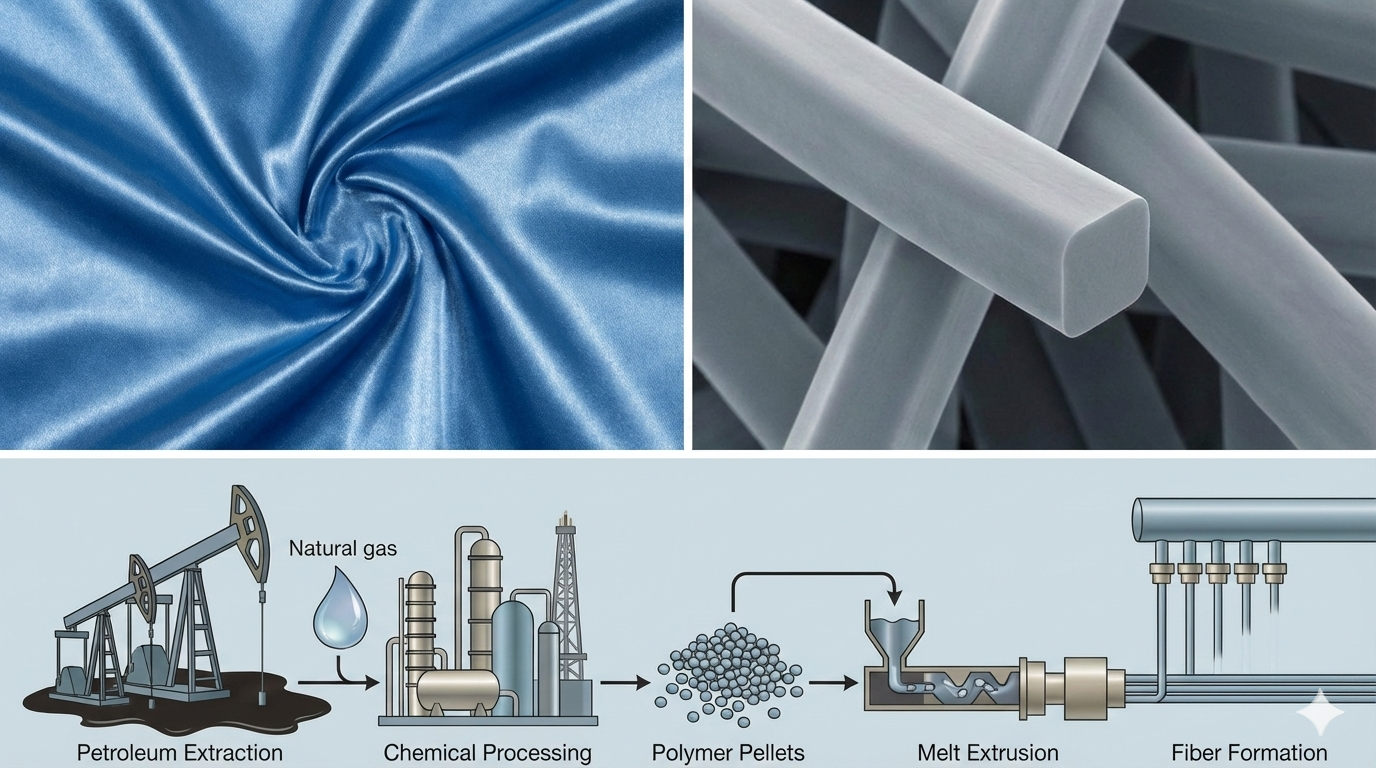
Polyester
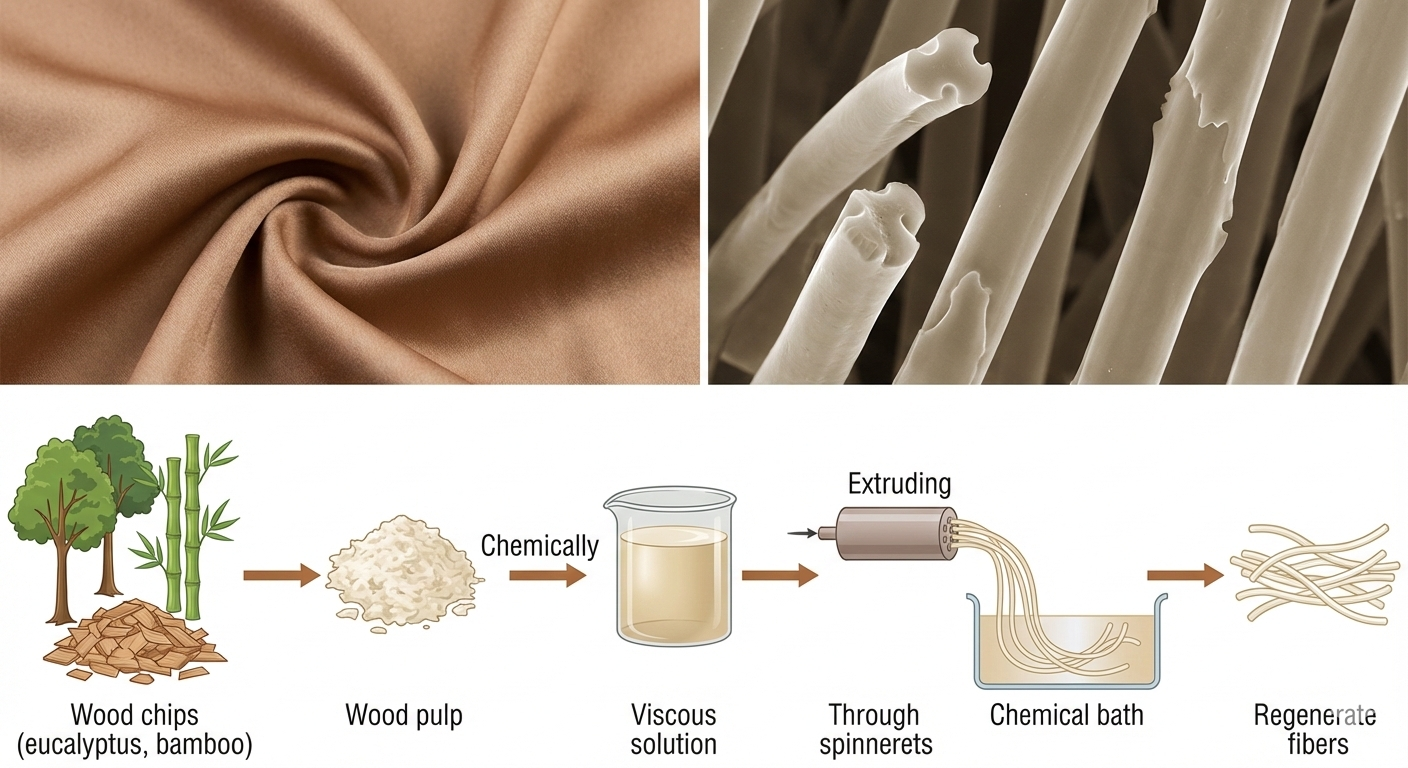
Rayon
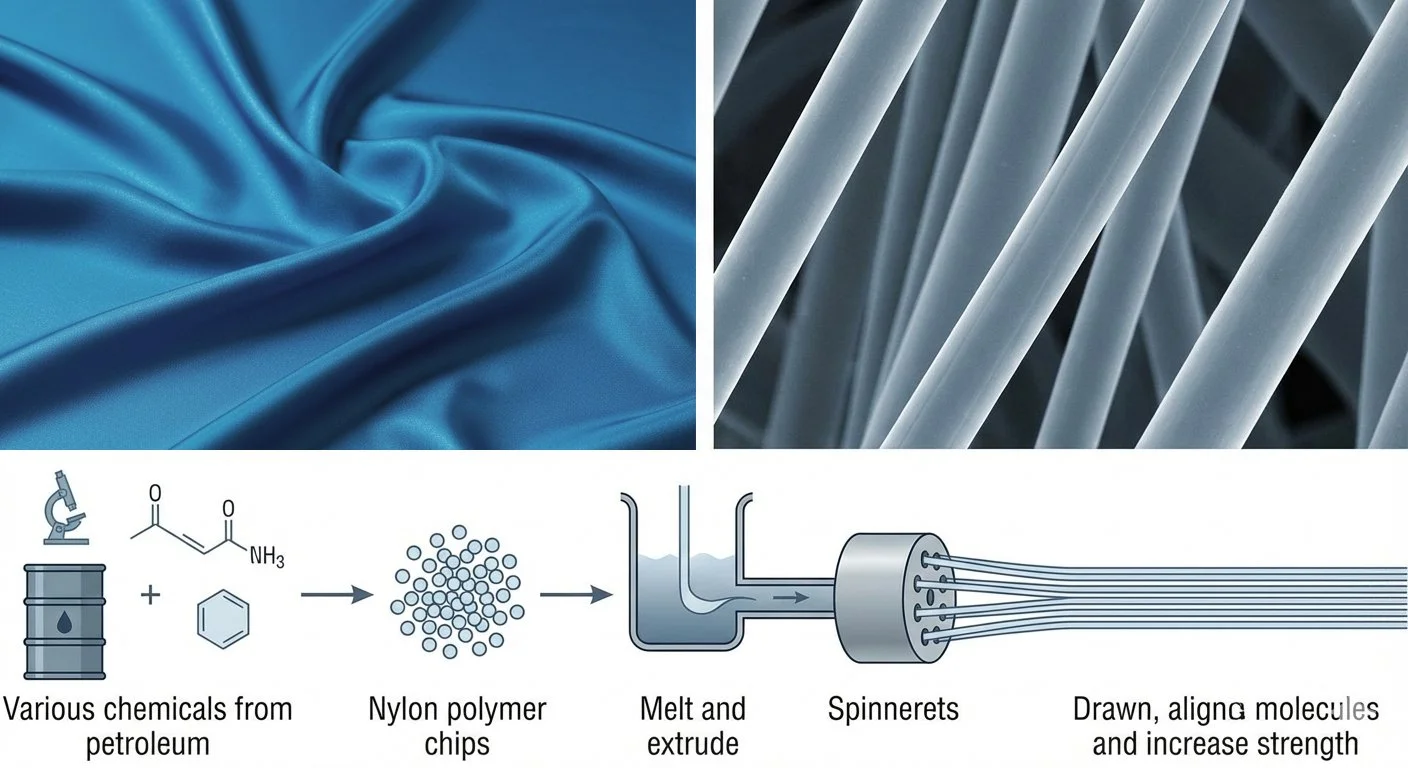
Nylon
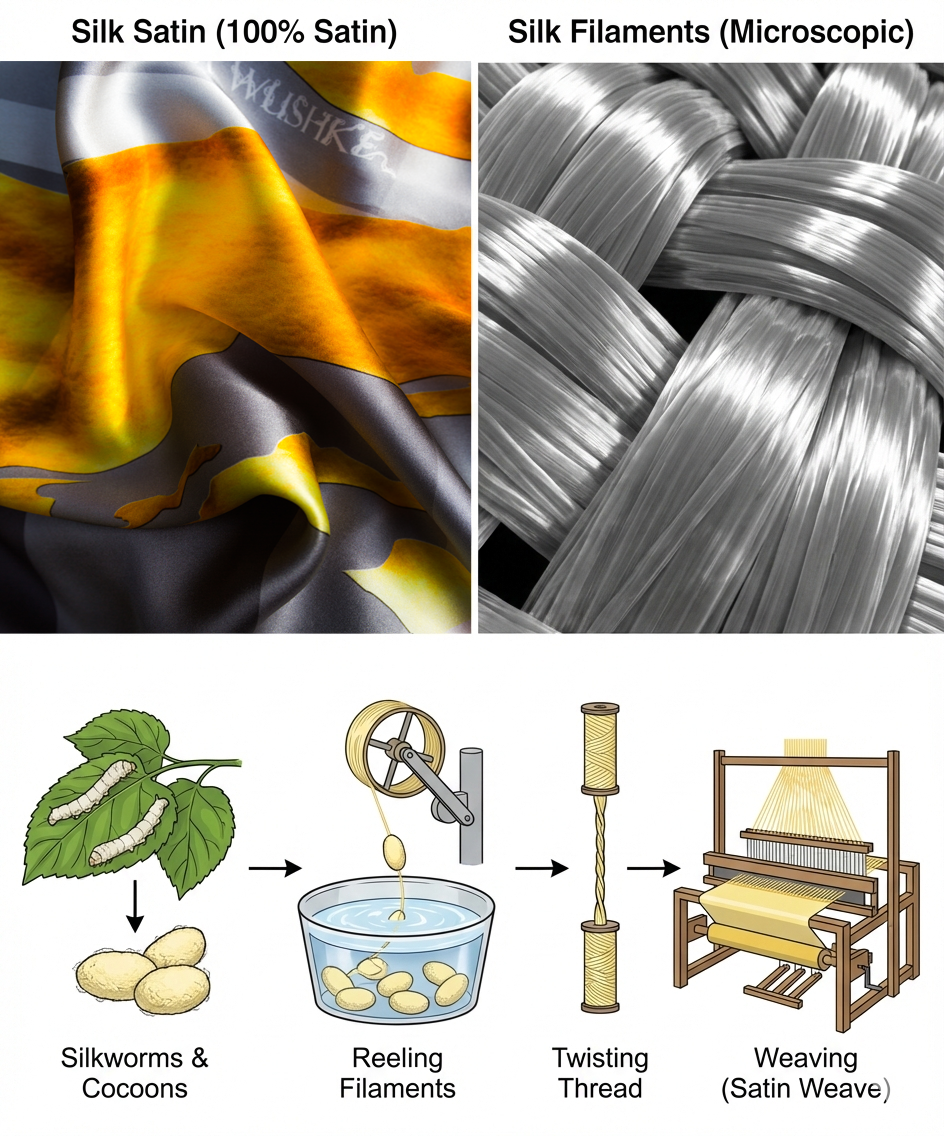
Silk Satin (fabric on the left photo is the scarf “Orcas in Currents” - you can find it in my collection on this website.
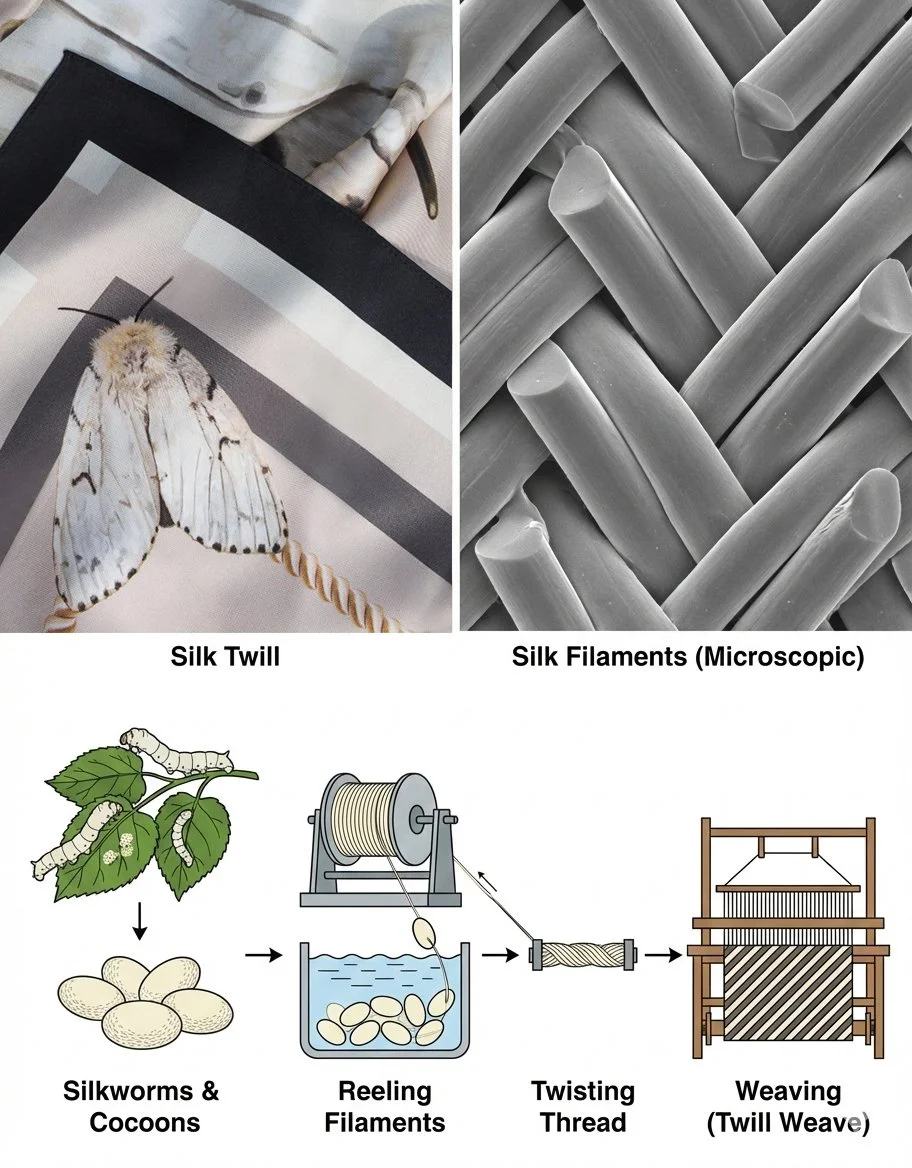
Silk Twill (fabric on the photo is the scarf “Moth in Beige” - you can find it in my collection on this website.
The Burn Test (Proceed with Caution!)
The definitive way experts test silk is the burn test. If you burn a tiny thread of natural silk, it smells like burning hair and crumbles into fine ash. Synthetic fabric will smell like burning plastic and melt into a hard, black bead. While we don't recommend setting your wardrobe on fire, just knowing this highlights the fundamental difference in composition.

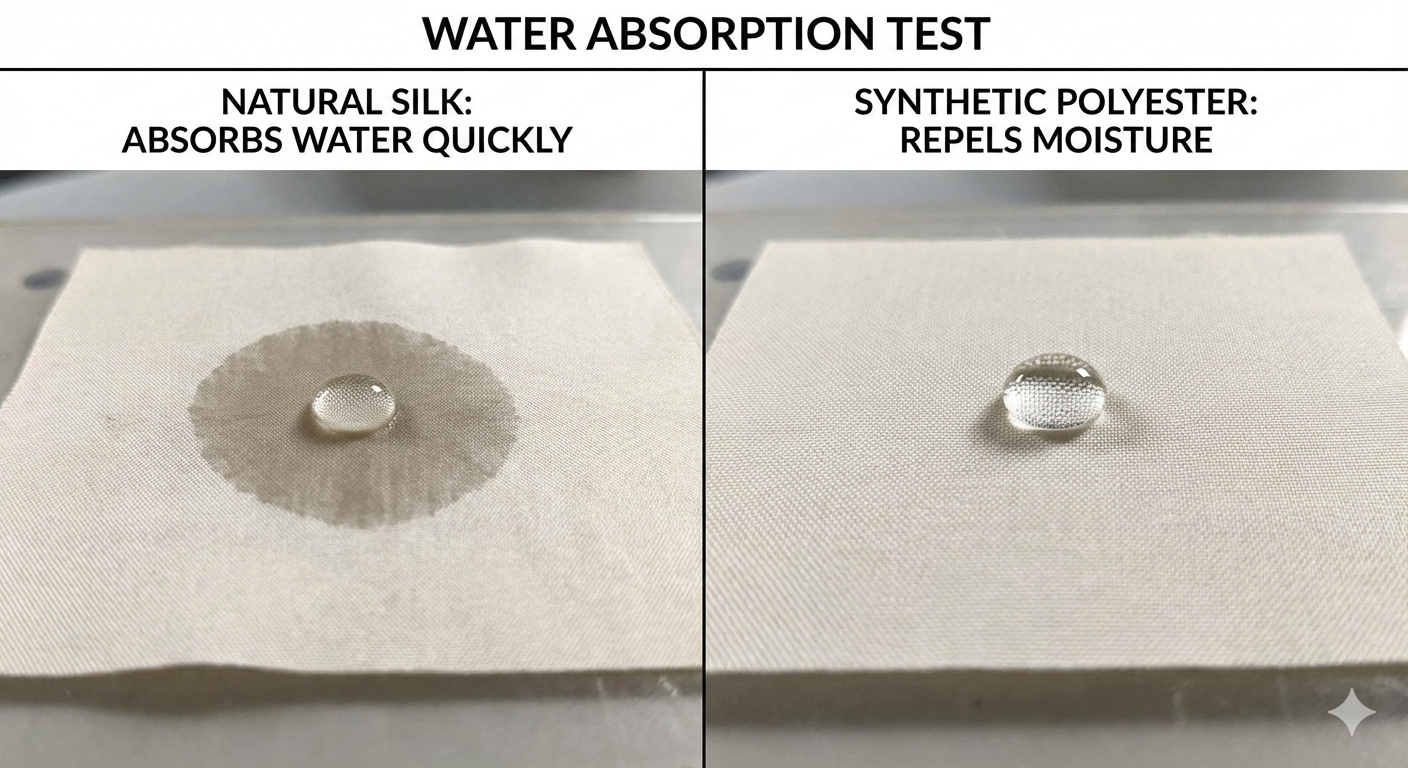
2. Water Absorption Test
Silk absorbs water quickly because it is a natural protein fiber. Synthetic fibers like polyester tend to repel moisture and dry almost immediately. How to test: place a drop of water on the fabric. If it soaks in within seconds and leaves a temporary darker spot, it is more likely silk. If it beads or rolls off, synthetic fibers are more likely involved.
3. Tactile & Temperature Test
Silk feels warm and soft against the skin, and tends to adapt to body temperature quickly. Synthetics often feel colder to the touch at first and remain more “slippery” or “glassy.” How to test: gently press the fabric briefly against your cheek or wrist. Natural silk warms almost instantly and feels smoother without being overly slick.
4. Static Electricity Test
Silk generates very little static during handling. Synthetic fibers tend to accumulate static easily, especially in dry environments. How to test: rub the fabric lightly between your fingers or shake it. If it clings or crackles with static, polyester or nylon are likely present.
It’s Not Just Fiber, It’s the Weave: Satin vs. Twill
This is where many people get confused. "Satin" is often mistaken for a type of fabric, but it is actually a type of weave. You can have polyester satin, cotton satin, or the ultimate luxury: silk satin.
The two weaves I choose for my collections are Silk Satin and Silk Twill. Both are 100% silk, but they offer completely different looks and feels.
1. Silk Satin (The Glamour Choice)
When you picture a classic, flowing Hollywood gown, you are picturing a satin weave.
The Look & Feel: The satin weave creates a incredibly smooth, glossy front surface that reflects light beautifully. The back of the fabric is usually duller. It is unbelievably soft, slippery, and drapes like water.
Best For: Evening wear, adding instant glamour to an outfit, and vibrant prints where you want the colors to "pop" with maximum shine.
Note: Because the threads "float" over the surface to create that shine, satin can be slightly more delicate and prone to snagging than twill.
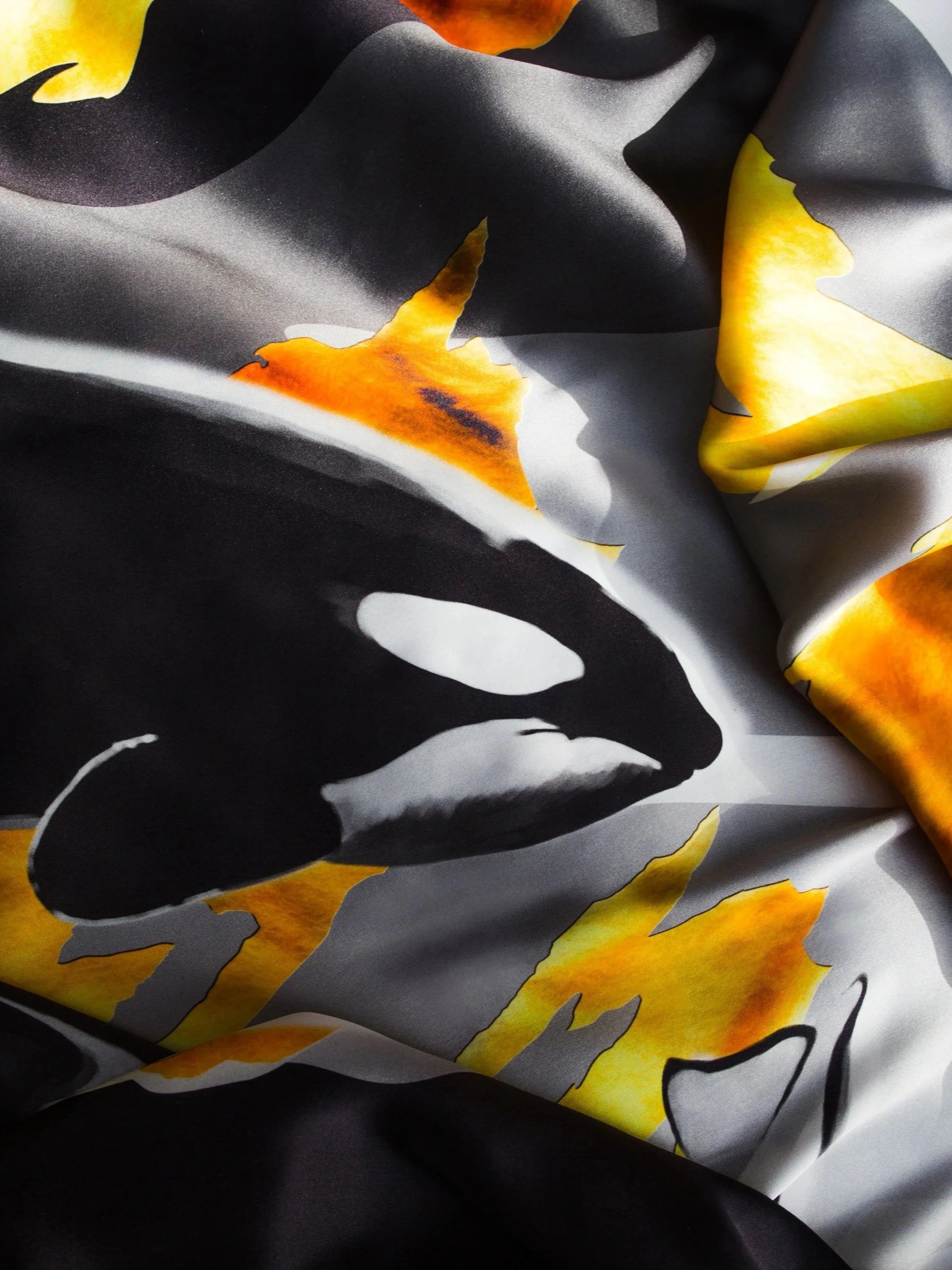
Silk Satin fabric - the scarf “Orcas in Currents”
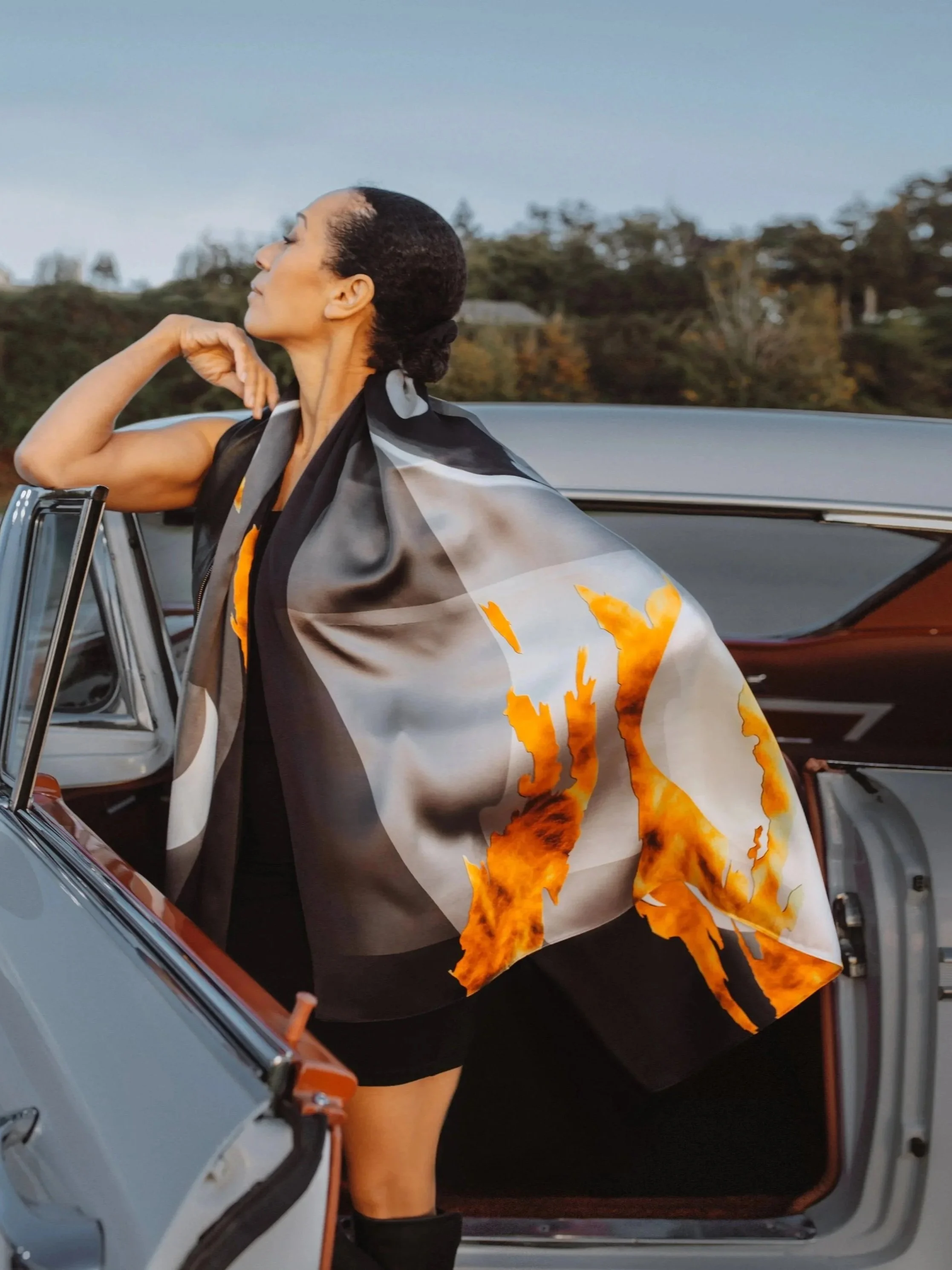
Silk Satin fabric - the scarf “Orcas in Currents”
2. Silk Twill (The Sophisticated Standard)
If you look closely at a high-end designer scarf (think classic French fashion houses), you will likely see diagonal lines running across the fabric. That is a twill weave.
The Look & Feel: Twill has a subtle diagonal texture. It is not as glossy as satin; it has a sophisticated, matte luster. It feels slightly heavier, more structured, and has more "grip," meaning it’s easier to tie into complex knots and it stays in place better than slippery satin.
Best For: Everyday elegance, professional settings, and scarves intended to be tied in specific architectural styles. It is generally more durable and resistant to snagging than satin.
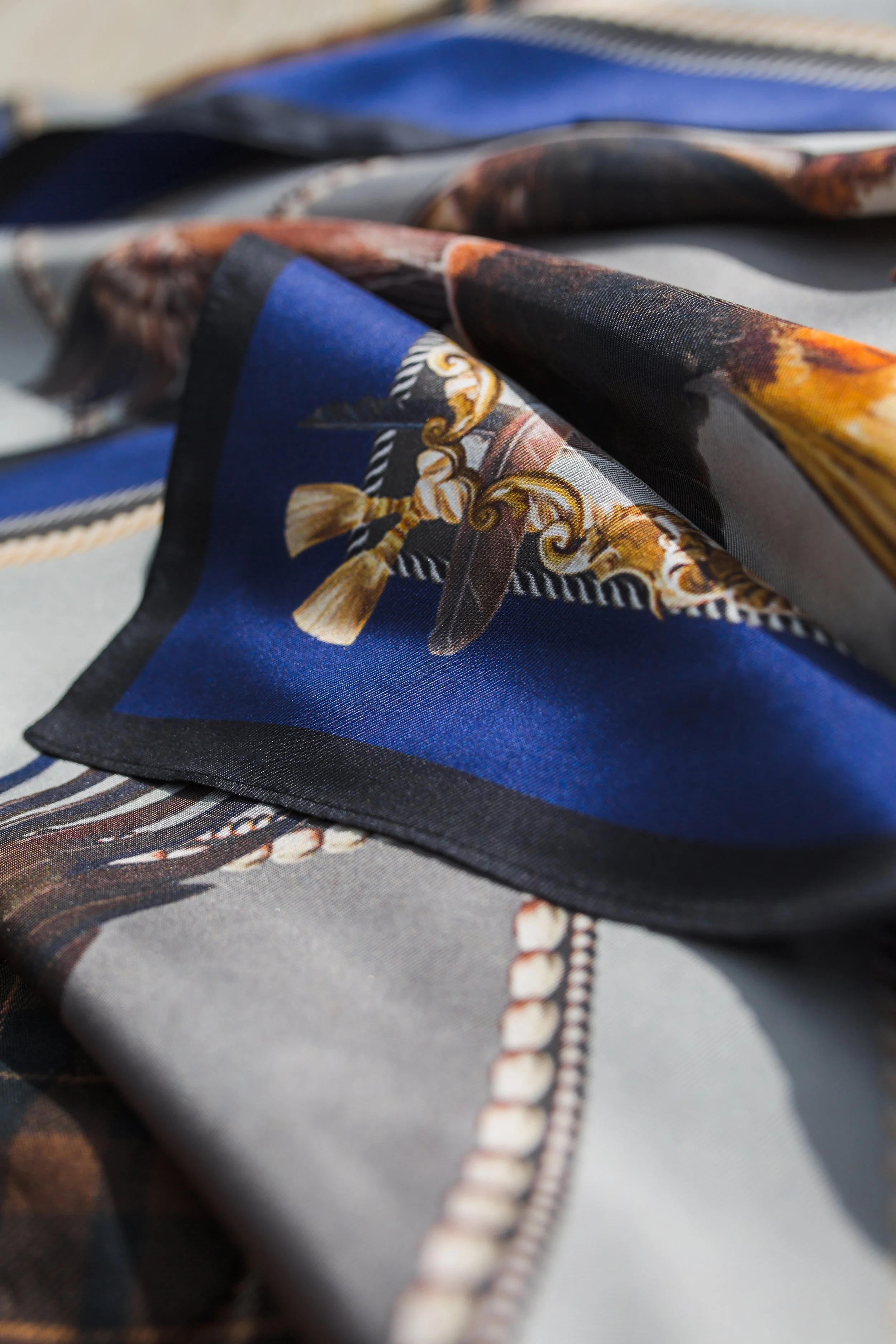
Silk Twill fabric - the scarf “Eagle’s Fight”
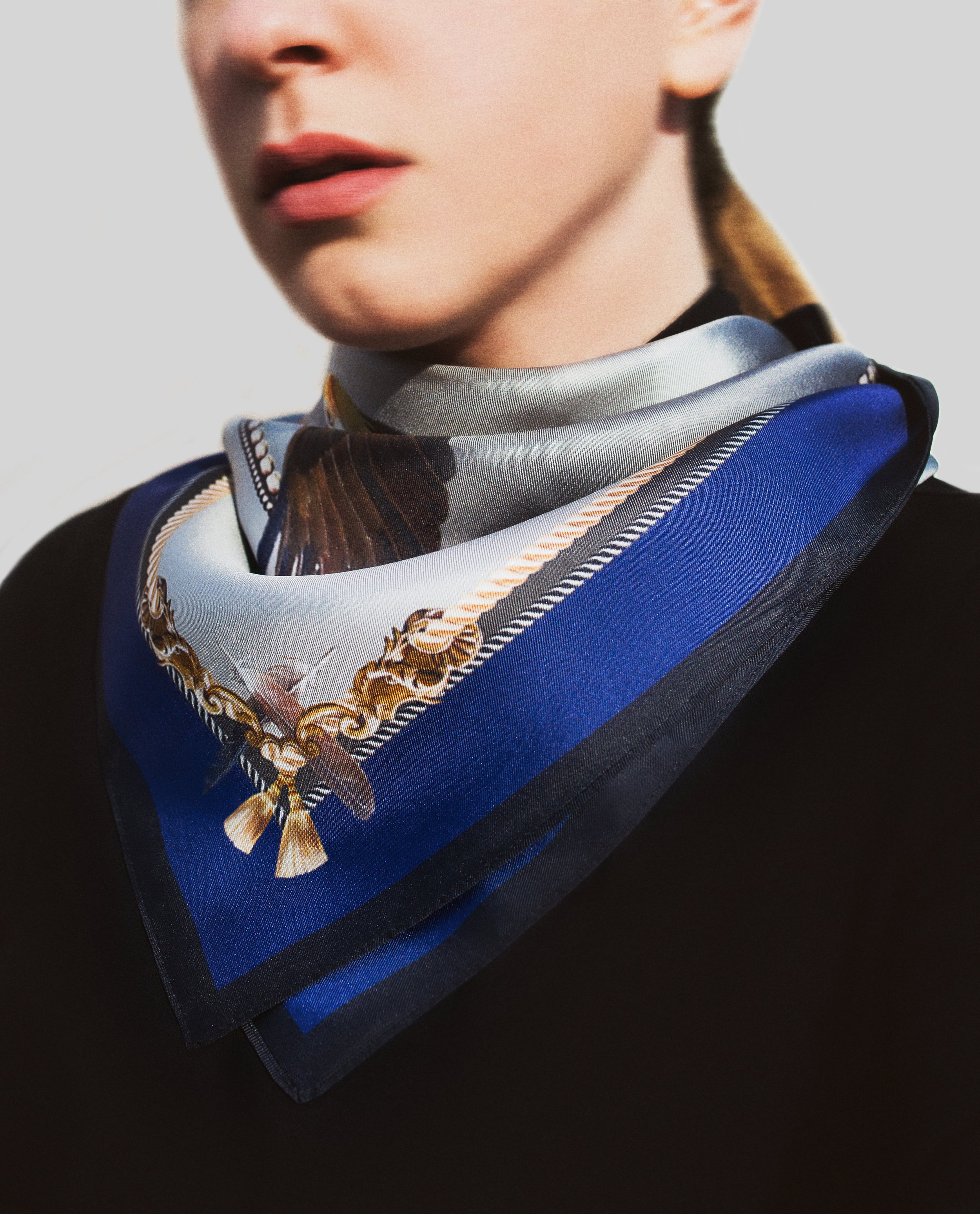
Silk Twill fabric - the scarf “Eagle’s Fight”
The Choice is Yours
When you browse my collections, you will see that I clearly label whether a piece is created on Silk Satin or Silk Twill.
If you want liquid shine and ultimate softness against the neck, choose my Satin pieces. If you prefer a modern, structured look that is durable enough for daily wear and holds a knot perfectly, choose Twill.
Regardless of the weave, the foundation remains the same: 100% natural silk. Because you deserve the real thing.